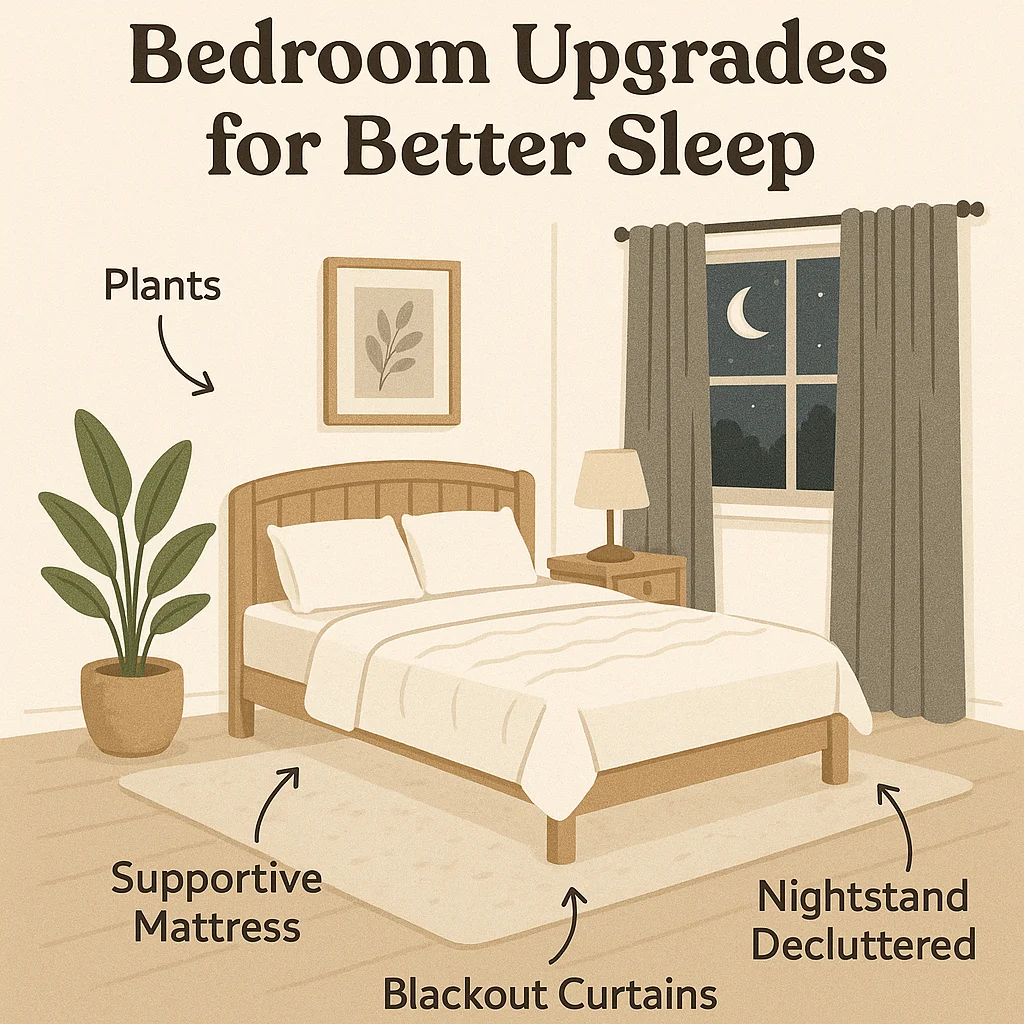
Smart mattresses, noise-canceling headbands, and blue light glasses are just a few of the sleep aids available in today's tech-obsessed society. But what if making small, timeless adjustments is the true key to better sleep? To get good sleep, you don't need a $500 sleep tracker. Sometimes a better environment is the first step toward better sleep.
This blog discusses doable, low-tech bedroom improvements that can greatly enhance the quality of your sleep. These adjustments, which range from improving your mattress and reducing clutter to optimizing light and layout, are simple yet effective.
Why Your Bedroom Matters More Than You Think
Experts in sleep concur that your sleeping environment has a significant impact on your quality of sleep. Your sleep may suffer if your bedroom is interfering with your sleep, even if you have excellent sleep hygiene practices, such as avoiding caffeine and going to bed at the same time.
Your Bedroom Should Be:
-
Cool
-
Dark
-
Quiet
-
Comfortable
-
Calm and uncluttered
Let’s look at how to achieve this without using any gadgets.
1. Upgrade Your Mattress and Bedding
🛏️ Invest in a Quality Mattress
An app-enabled smart mattress is not necessary. All you need is a comfortable, supportive surface that fits your preferred sleeping position.
-
Side sleepers: go for softer mattresses that cushion pressure points.
-
Back/stomach sleepers: firmer surfaces to support spinal alignment.
A mattress that is between seven and ten years old may be subtly interfering with your sleep. A good mattress topper can make all the difference if buying a new one is out of the question.
🛌 Choose the Right Sheets and Pillows
-
Use breathable fabrics like cotton, linen, or bamboo. Avoid synthetics that trap heat.
-
Your sleeping position should be accommodated by the pillows. A firm pillow helps support the neck of side sleepers. Thinner ones are better for back sleepers.
Tip: Wash your pillowcases and sheets weekly. Clean bedding = fresher sleep.
2. Block Out Light (Completely)
Melatonin, the hormone that tells your body it's time to go to sleep, is most disrupted by light.
🪟 Install Blackout Curtains
Ordinary blinds or curtains are insufficient. Blackout curtains block headlights from cars, streetlights, and early mornings.
🚫 Eliminate LED Glows
Your sleep can be disrupted by even small power indicator lights from alarm clocks or chargers. Unplug any devices that aren't in use or cover them with electrical tape.
🕯️ Use Warm Lighting Only
Cool, white overhead lights mimic daylight and signal your brain to stay awake. Replace them with warm-toned bedside lamps or wall sconces.
Bonus: Use dimmer switches or install Edison-style amber bulbs.
3. Optimize Room Temperature
A temperature of 60–67°F (15–19°C) is ideal for sleeping. Your body knows it's time to relax when the temperature drops.
❄️ No AC? Try These:
-
Use cotton sheets and breathable sleepwear.
-
Sleep with a fan and open window to improve air circulation.
-
Use a hot water bottle in winter to warm your bed before getting in (then remove it).
Avoid overheating, as it interrupts REM cycles and can cause restlessness.
4. Declutter for Deep Rest
Your brain can’t relax if your space feels chaotic.
🧹 Keep Surfaces Clear
Remove piles of clothes, books, or devices from your nightstand. A clear surface equals a clear mind.
🚫 Remove “Work” from the Room
No desks. No laptops. No paperwork. When your brain sees your bedroom, it should scream “rest”, not “emails.”
🎨 Choose Soothing Colors
A calm atmosphere can be produced by using gentle, subdued colors, such as beige, dusty blue, or sage green. Vibrant hues may give you energy, which is the last thing you need at night.
5. Bring Nature Indoors (But Gently)
Adding nature can significantly impact sleep by reducing stress and improving air quality.
🌿 Low-Maintenance Plants
Aloe vera, peace lilies, and snake plants purify the air and create a spa-like atmosphere in your room. Keep them close to windows so they can get natural light.
🪵 Natural Materials
Choose jute rugs, linen curtains, or wooden furniture. In contrast to decor that is heavily reliant on plastic, natural textures create a calming, grounding atmosphere.
6. Rethink Bedroom Layout
How your room is arranged can influence how easily you fall asleep.
🛏️ Center the Bed
In accordance with fundamental feng shui principles for safety and tranquility, arrange your bed so that you can see the door but are not directly in front of it.
👣 Clear the Path
Avoid obstacles between your bed and the door. Having a clear route subconsciously reduces tension.
“A tidy room layout gives you a tidy mind,” says nearly every sleep expert ever.
7. Use Calming Scents and Sounds (Naturally)
Aromatherapy is gadget-free and powerful for relaxation.
🌸 Try Sleep-Friendly Scents
-
Lavender: proven to reduce heart rate and anxiety.
-
Chamomile: calming and subtle.
-
Cedarwood or sandalwood: grounding earthy notes.
Use a reed diffuser, pillow spray, or place dried herbs in a bowl near your bed.
🔇 Embrace Natural Silence
Rather than using a white noise machine, block external noise:
-
Use heavy curtains or add rugs to muffle sounds.
-
Place a rolled towel at the door base to seal gaps.
-
Live in a noisy city? Use earplugs as a last resort (still non-tech!).
8. Limit Bedroom Use to Two Things
Associations are quickly formed in your brain. It begins to recognize your bedroom as a place of rest if you use it exclusively for sleep and sex.
Avoid:
-
Watching TV in bed
-
Scrolling on your phone
-
Working or eating in bed
“Your bed should be a temple of rest, not a command center.”
This shift may be uncomfortable at first, but over time, it trains your brain to wind down the moment you lie down.
9. Let Natural Light Wake You
While you’re avoiding tech, natural solutions can still help you rise gently.
🌞 Keep Curtains Slightly Open
If you don't require total darkness, you can be gradually awakened by morning sunlight by leaving a crack in the curtains. Your circadian rhythm is naturally reset by it.
10. Add a Wind-Down Ritual (Without Screens)
The environment matters—but what you do in it seals the deal.
📚 Read a Physical Book
A real one. Not your Kindle. Choose fiction or poetry—nothing too intense.
📝 Journal or Brain Dump
Write down thoughts, plans, or worries before bed. This keeps them from bouncing around your head at 2 a.m.
🧘 Gentle Stretches
Try the following floor routines for five minutes: lying twist, legs up the wall, or child's pose. These relieve tension and soothe the nervous system.
Conclusion: Less Tech, Better Rest
Smart sensors, subscription services, or devices are not necessary for getting a good night's sleep. All you need is for your bedroom to fulfill one genuine function: healing sleep.
You can create a gadget-free sleep haven by eliminating distractions, adding softness, adjusting light and temperature, and connecting with nature.
Don't pick up your phone tonight. Redesigning your space to accommodate your body's innate rhythms will help you achieve better sleep.