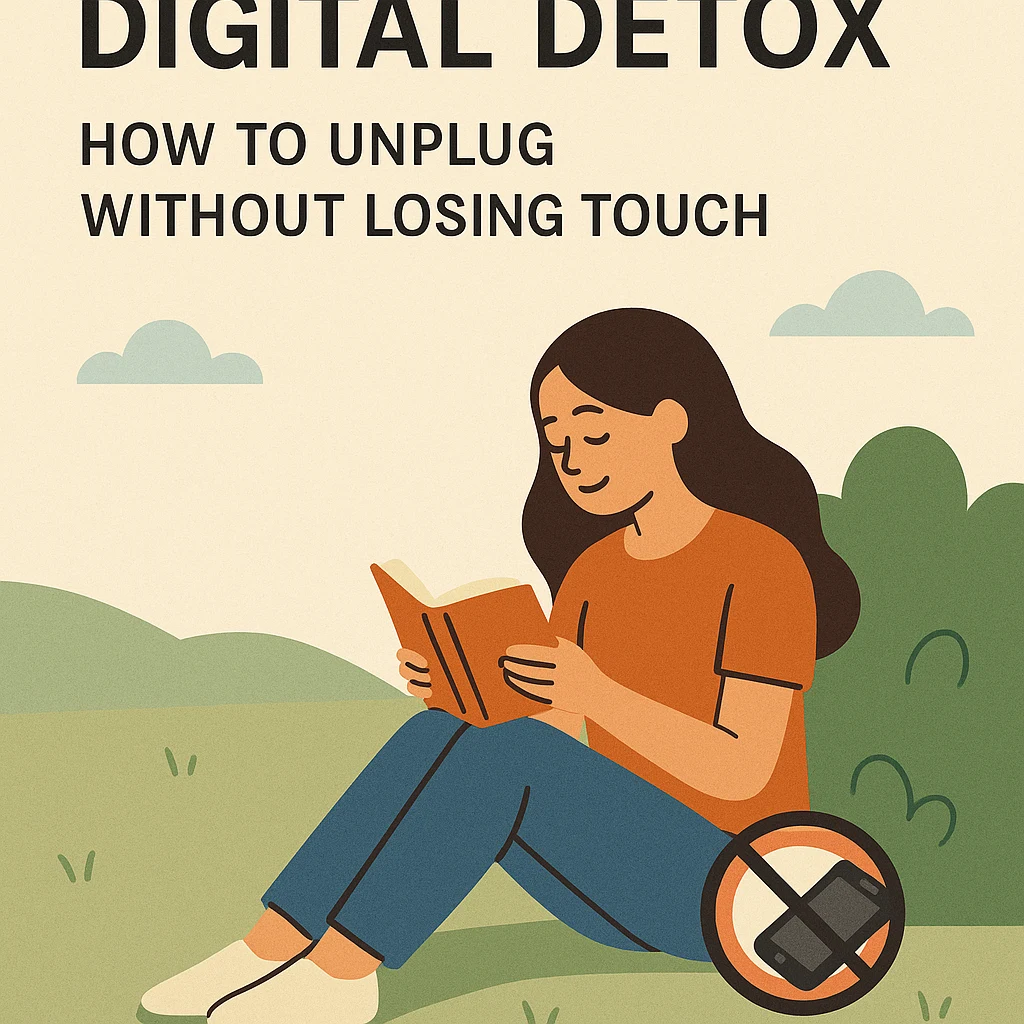
We're constantly a ping, swipe, or scroll away from the next notification in today's hyperconnected world. Our phones provide us with endless content to help us fall asleep, guide our routines, wake us up in the morning, and amuse us during downtime. Unquestionably, technology has improved our lives, but it also has a drawback: digital overload.
The digital detox is a deliberate vacation from screens and digital noise that helps you reclaim your time, re-establish a connection with the real world, and rejuvenate your mind. The problem is that most of us still need to stay in touch for work, family, or even everyday tasks. How, then, can you unplug without feeling alone or behind?
This blog will explain what a digital detox is, why it's important, and—above all—how to disconnect without neglecting your daily obligations, relationships, or career.
What Is a Digital Detox?
The deliberate act of reducing or stopping the use of digital devices, especially computers, social media, email, and smartphones, for a predetermined amount of time is known as a "digital detox." It's about developing more mindful habits, clearing out mental space, and lowering anxiety brought on by technology.
It doesn't imply giving up on technology entirely. Rather, the goal of a smart digital detox is to rebuild your relationship with technology in order to develop more balanced, healthful habits.
Why You May Need a Digital Detox
Here are some signs you may benefit from unplugging:
-
You check your phone as soon as you wake up.
-
You feel anxious or “FOMO” when you’re not online.
-
You scroll for hours without realizing it.
-
You’ve forgotten what silence or boredom feels like.
-
You feel mentally drained but can't pinpoint why.
-
You're distracted and unable to focus on tasks.
Does that sound familiar? You're not by yourself. According to studies, the average person uses screens for more than six hours every day, most of which is spent on entertainment, social media, or multitasking.
The Benefits of Unplugging
Digital detoxing isn’t just a wellness trend—it’s a proven way to improve your quality of life. Some major benefits include:
-
✅ Improved focus and productivity
Less screen time means fewer distractions and more deep work. -
✅ Better mental health
Reducing screen time has been linked to lower rates of anxiety and depression. -
✅ Stronger relationships
When you put your phone down, you’re more present with the people around you. -
✅ Deeper sleep
Reducing blue light exposure and bedtime scrolling improves sleep quality. -
✅ More creativity
Boredom is a breeding ground for ideas—if you let your mind wander.
How to Unplug Without Losing Touch
Most of us can't live entirely off the grid, let's face it. Technology is vital for everything from group chats to digital calendars, work emails, and online banking.
However, you don't have to start from scratch. The secret is to strategically detox: remove unnecessary items, hold onto what is important, and use technology with intention.
Here’s how:
1. 📱 Start with a Digital Audit
Before you detox, understand where your time goes. Use tools like:
-
Screen Time (iOS)
-
Digital Wellbeing (Android)
-
RescueTime, Toggl, or Moment
Track your habits for a few days. You might discover:
-
Hours lost on Instagram
-
Constant email checking
-
Mindless late-night YouTube binges
This data will help you target the biggest culprits in your screen addiction.
2. 🚫 Set Boundaries, Not Bans
You don’t need to throw your phone in the ocean. Start small:
-
No phones at the dinner table
-
No screens 1 hour before bed
-
Email only during work hours
-
One “no screen” hour per day
-
Designate social media-free weekends
Boundaries work better than bans because they’re sustainable and flexible.
3. ⏰ Schedule Tech-Free Time
Set aside time for a tech break in the same way that you would for a meeting. Take advantage of this time to:
-
Read a physical book
-
Go for a walk
-
Meditate or stretch
-
Cook or do a hobby
-
Journal or daydream
Even 20 minutes per day can make a huge difference in your mental clarity.
4. 🧘♂️ Create a Morning Routine Without Screens
The tone of your day is set by how you begin it. Your brain goes into reactive mode if your first action is to check your email or Instagram. Instead, try this:
-
Wake up and stretch
-
Drink water or tea
-
Journal or plan your day
-
Go for a walk or do a short workout
-
THEN check your phone after 30–60 minutes
This small shift builds resilience and helps you feel in control of your day.
5. 📴 Use Tools to Limit Distractions
Ironically, you can use technology to aid in your technological detoxification. A few useful tools are:
-
Forest App – Grow a virtual tree by staying off your phone
-
Freedom – Blocks specific websites and apps
-
StayFocusd (Chrome) – Limits time on sites like Facebook or Reddit
-
Cold Turkey – Hardcore app blocker for desktop
-
Do Not Disturb – Use it during focused work blocks
These tools automate willpower so you’re not relying on sheer discipline.
6. 🌐 Choose Meaningful Digital Connections
You can detox without ghosting everyone. Put quality digital interactions ahead of pointless scrolling or superficial likes:
-
Call a friend instead of texting
-
Write thoughtful emails instead of quick replies
-
Join meaningful online communities (Reddit, Slack groups, etc.)
-
Video chat with family regularly
This keeps you socially connected without being digitally consumed.
7. 🛏️ Create a Digital-Free Sleep Sanctuary
Addiction to screens and poor sleep go hand in hand. Here's how to create a peaceful space in your bedroom:
-
Leave your phone outside the bedroom
-
Use a real alarm clock
-
Read physical books before bed
-
Set a wind-down alarm 1 hour before sleep
-
Use warm, dim lighting at night
Better sleep = more energy, better mood, and lower stress.
8. 📆 Try a Digital Sabbath
A full day (or half-day) devoid of screens once a week is known as a "digital sabbath." For instance, begin with Sunday mornings.
During this time:
-
Go outdoors
-
Journal your thoughts
-
Connect with people in real life
-
Clean, cook, or do creative hobbies
-
Reflect on the week and reset your mind
Even one offline morning per week can rebalance your entire digital relationship.
9. 🧠 Rewire Your Habits
According to behavioral psychology, triggers result in habits. You've created a loop if you look at your phone whenever you're bored, anxious, or in line.
Break the cycle:
-
Replace the habit (read, breathe, stretch)
-
Remove the trigger (turn off notifications)
-
Rewire the reward (feel clarity instead of distraction)
Over time, you'll crave stillness instead of scrolling.
10. ✍️ Reflect on the Benefits
Record your feelings both during and after a detox in a journal or note app. You might observe:
-
More patience
-
Better conversations
-
Increased focus
-
Greater creativity
-
Less anxiety
Reflection reinforces your motivation and helps you stick to your goals.
What If You Slip Up?
You will. Everyone does. The goal isn’t perfection—it’s progress.
Don't feel bad about yourself. Just restart. You are training your mind to be more resilient and intentional each time you take a break from screens.
Remember: You’re not giving up technology—you’re reclaiming control over how it affects your life.
Final Thoughts
Being "always on" has become commonplace in our society, but that doesn't mean it's healthy. Avoiding technology completely isn't the goal of a digital detox. In order for it to benefit you and not the other way around, you must decide when and how to interact with it.
You don't need to remove all of your apps or go into the woods. Without ever losing touch, you can unplug, recharge, and re-establish a connection with what truly matters by making a few mindful changes.