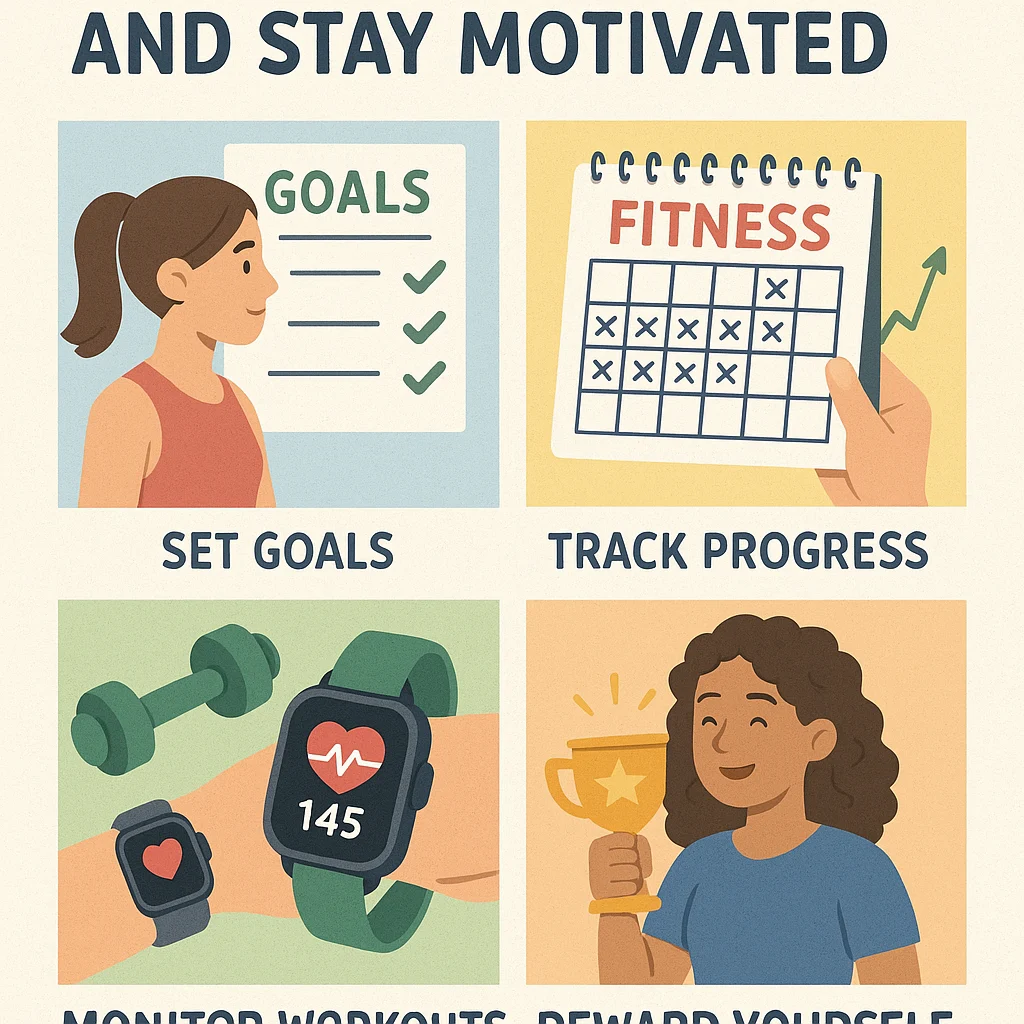
Tracking your fitness goals is one of the best ways to stay motivated, whether you're aiming to lose weight, train for your first 5K, or just want to be more active. However, a lack of motivation, planning, or progress visibility causes many people to veer off course, even with the best of intentions.
This blog will discuss the importance of tracking, how to create goals that have meaning, what resources are available, and how to maintain motivation as you progress through your fitness journey.
Why Tracking Fitness Goals Works
It takes more than just numbers to track your fitness progress; it also requires accountability, clarity, and consistency. Here's why it's beneficial:
-
Clarity: You know exactly where you’re starting and where you want to go.
-
Progress Visibility: Small improvements become easier to recognize and celebrate.
-
Accountability: You’re more likely to follow through when you monitor your actions.
-
Motivation Boost: Tracking reinforces discipline and encourages you to push through setbacks.
Even the most motivated fitness endeavors can quickly stall without a tracking system.
Step 1: Define SMART Fitness Goals
Prior to tracking, your objectives need to be SMART:
-
Specific: What exactly do you want to achieve?
-
Measurable: Can you measure progress in a clear way?
-
Achievable: Is your goal realistic for your current level?
-
Relevant: Does it align with your lifestyle and priorities?
-
Time-bound: What’s your deadline?
Example: Say "I want to run a 5K in less than 30 minutes within 2 months" rather than "I want to get fit."
Results are more measurable and tracking is made simpler by this specificity.
Step 2: Choose What to Track
It can be overwhelming to track everything, so concentrate on the metrics that are most pertinent to your objective. Here are a few instances:
For Weight Loss:
-
Weight (weekly)
-
Body measurements (waist, hips, etc.)
-
Caloric intake
-
Daily activity (steps, workouts)
For Strength Training:
-
Weight lifted per exercise
-
Reps and sets
-
PRs (personal records)
-
Body fat percentage
For Endurance/Running:
-
Distance
-
Pace/time
-
Heart rate
-
Recovery time
For General Health:
-
Sleep quality
-
Water intake
-
Daily movement (steps, minutes active)
-
Mood and energy levels
Choose three to five metrics that are most important to you, then stick with them.
Step 3: Use the Right Tools
There isn't a tracking strategy that works for everyone. High-tech, traditional, or a combination of both are options.
Fitness Apps:
-
MyFitnessPal: Great for tracking calories, macros, and exercise.
-
Strava: Perfect for runners and cyclists.
-
Strong: Useful for logging strength workouts.
-
Fitbit or Apple Health: Tracks steps, heart rate, sleep, and more.
Wearables:
Fitness trackers that sync with apps and provide real-time updates include Fitbit, Garmin, and Apple Watch.
Spreadsheets or Journals:
Some people like the tactile experience of writing in a notebook or making customized charts with Google Sheets.
Photos and Measurements:
Use tape measurements or monthly progress photos to monitor changes in your body. The scale doesn't always provide the whole picture.
Step 4: Create a Routine for Tracking
Make tracking part of your daily or weekly routine. Consistency is key.
-
Daily: Log workouts, food intake, water, steps, and mood.
-
Weekly: Weigh in, take measurements, evaluate energy levels.
-
Monthly: Assess overall progress, make adjustments, set new mini-goals.
Pick the time that works best for you. Morning routines are often the best for tracking weight or food intake, while the evening is better for journaling and introspection.
Step 5: Celebrate Small Wins
One of the biggest motivation boosters is acknowledging progress, no matter how small.
-
Ran 10 minutes longer than last week? Celebrate it.
-
Drank 2L of water every day for a week? That’s progress.
-
Lifted heavier weights? That’s strength improvement.
Establish a system of rewards, such as a healthy meal at your preferred restaurant, a spa night, or a new outfit for your workout.
Step 6: Stay Accountable
Taking responsibility for your actions can make or ruin your fitness journey. Here's how to maintain your commitment:
-
Workout Buddy: Share goals and progress with a friend.
-
Online Community: Join a Facebook group or Reddit thread like r/fitness.
-
Trainer or Coach: A professional keeps you focused and adjusts your plan.
-
Post Publicly: Some people stay motivated by sharing updates on Instagram or a blog.
Step 7: Stay Flexible and Adaptable
Life can interfere, and your body is not a robot. Your progress is not undone by a single missed workout or decadent weekend.
If your current method stops working:
-
Reassess your goals.
-
Adjust your routine.
-
Change your tracking method.
Being flexible helps you avoid burnout, and fitness is a long-term commitment.
Common Tracking Mistakes to Avoid
-
Over-Tracking Everything
You can become overwhelmed by too much data. Just concentrate on what motivates you to advance. much data can overwhelm you. Focus only on what drives your progress. -
Obsessing Over the Scale
Hormones, water, and other factors can cause weight fluctuations. Don't let your success be determined by the scale. -
Not Being Honest with Logs
Tracking is only effective if you are truthful. When it comes to your diet, exercise, and days off, be honest. -
Skipping Rest and Recovery
Progress in fitness occurs not only during exercise but also during rest. Monitor the healing process as well.
Bonus: Motivation Boosters When Progress Slows
Everyone hits a plateau. Here’s how to stay motivated when the results slow down:
-
Look at How Far You’ve Come: Revisit old photos or logs.
-
Switch Things Up: Try a new workout class, go for a hike, or add resistance bands.
-
Use Visuals: Print your progress chart or vision board.
-
Create New Challenges: Sign up for a charity run or 30-day challenge.
Final Thoughts
Beyond simply recording your numbers, tracking your fitness objectives involves developing new habits, maintaining accountability, and acknowledging each accomplishment. The true magic is in remaining dependable and consistent, regardless of whether you're using a smartwatch, notebook, or app.
Remember: Being fit is a lifelong journey rather than a destination. Maintain your curiosity, your adaptability, and—above all—your self-compassion.