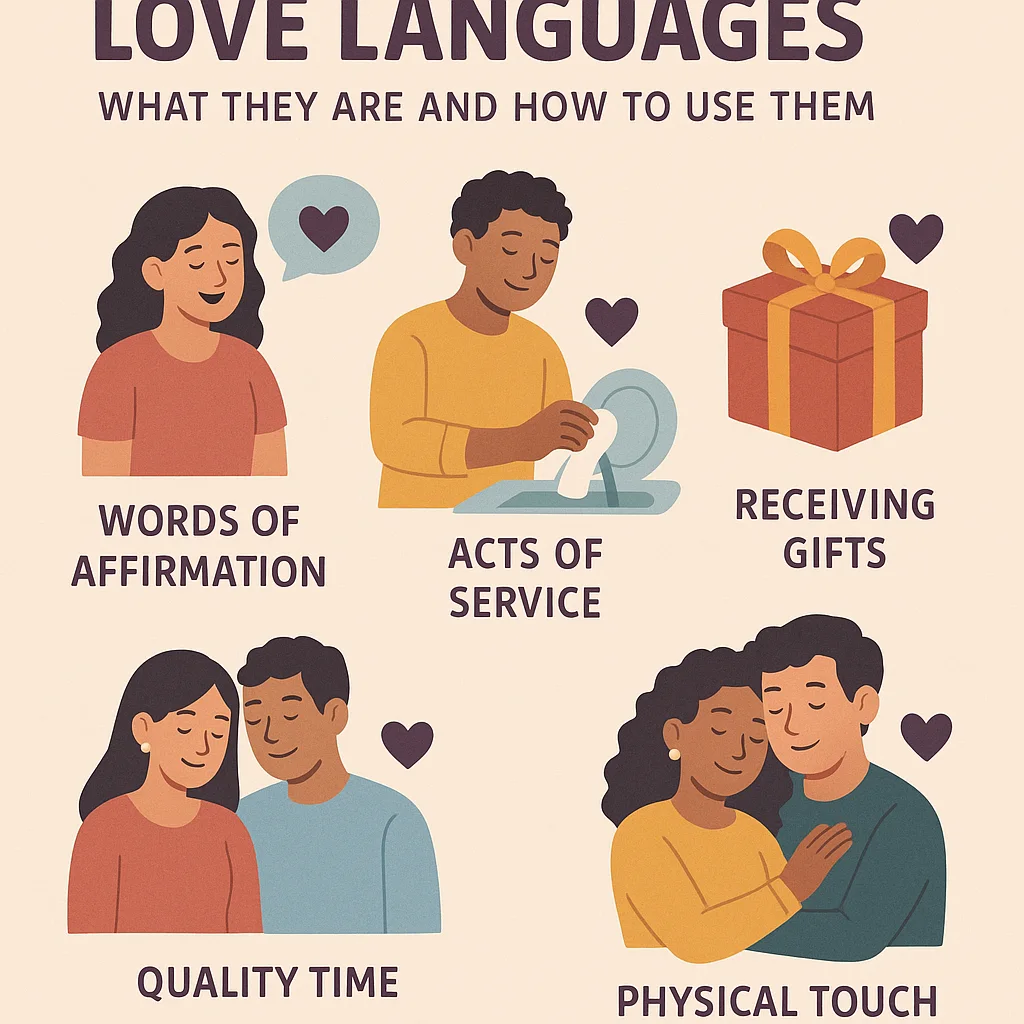
Communication is essential in all types of relationships, including platonic, familial, and romantic ones. However, there are instances when the other person doesn't seem to feel love, even when we believe we are communicating it clearly. Why? Considering that we might not be using the same "love language."
Millions of people now have a better understanding of how they give and receive love thanks to Dr. Gary Chapman's revolutionary theory of love languages. The secret to long-lasting, satisfying relationships may lie in realizing that different people have different experiences with love.
This blog will discuss love languages, how to recognize yours and your partner's, and how to use them to increase intimacy, connection, and understanding.
What Are Love Languages?
In his 1992 book The 5 Love Languages: The Secret to Love That Lasts, Dr. Gary Chapman first proposed the concept of love languages. Chapman had been counseling couples for years when he saw a trend: people were misinterpreting one another because they were expressing love in different ways.
He came to the conclusion that people express and experience love in five different ways, or five primary love languages. In all types of relationships, being aware of these can help close emotional distances and promote greater connection.
The 5 Love Languages Explained
1. Words of Affirmation
The main focus of this love language is expressing love and gratitude, whether orally or in writing.
People who prefer this language feel loved when they hear:
-
“I love you.”
-
“I appreciate you.”
-
Compliments like “You did a great job” or “You look amazing.”
How to Use It:
-
Leave encouraging notes or send sweet texts.
-
Verbally acknowledge your partner's efforts.
-
Say “thank you” often and sincerely.
Avoid: Harsh criticism, silence during emotional moments, or not expressing gratitude.
2. Acts of Service
Actions speak louder than words for these people. Saying "I love you" is not enough; doing something considerate or helpful is also important.
Examples include:
-
Cooking a meal
-
Taking out the trash
-
Running errands when your partner is busy
How to Use It:
-
Look for opportunities to ease their burden.
-
Anticipate their needs without being asked.
-
Be consistent—actions over time show commitment.
Avoid: Laziness, broken promises, or forgetting important tasks.
3. Receiving Gifts
This is about the thought and work that goes into a gift, not about materialism. "I was thinking about you," it states.
The best gifts for people with this love language are often:
-
Meaningful, not expensive
-
Personalized or symbolic
-
Accompanied by a heartfelt message
How to Use It:
-
Surprise them with small tokens, even a handwritten note.
-
Celebrate special days like birthdays and anniversaries thoughtfully.
-
Keep track of what they like or mention in passing.
Avoid: Forgetting special occasions or giving thoughtless, generic gifts.
4. Quality Time
Individuals who speak this love language yearn for complete focus. What matters is presence—not merely being in the same space as the person, but actually being with them.
It includes:
-
Deep conversations
-
Shared activities
-
Eye contact and active listening
How to Use It:
-
Schedule regular one-on-one time.
-
Put your phone away when you’re together.
-
Ask open-ended questions and really listen.
Avoid: Distractions, multitasking, or frequently canceling plans.
5. Physical Touch
Physical intimacy is the main source of love for some people. This could include more personal gestures like hugs or handshakes.
It’s not just about sex—it's about:
-
Warm embraces
-
A hand on the shoulder
-
Snuggling on the couch
How to Use It:
-
Be affectionate throughout the day, not just during intimacy.
-
Respond warmly when they reach out physically.
-
Learn what kind of touch they appreciate.
Avoid: Withholding physical affection or dismissing their need for closeness.
Why Love Languages Matter
✅ They Help Avoid Miscommunication
Your partner may feel neglected if their love language is Words of Affirmation, even though you may feel like you're always showing them love by cooking, cleaning, and putting in long hours to provide. This type of emotional misalignment can be avoided by being aware of one another's love languages.
✅ They Improve Conflict Resolution
Argument tension can be decreased by being aware of one another's love languages. There is less animosity and a greater desire to settle disputes amicably when both partners are able to attend to each other's emotional needs.
✅ They Deepen Emotional Intimacy
Your partner will feel genuinely seen if you speak their love language. It provides a clear path to their emotional center, which gradually fosters warmth, trust, and emotional intimacy.
How to Discover Your Love Language
Not sure which love language you speak? Here are three simple ways to figure it out:
1. Reflect on What You Crave Most in Relationships
When someone gives you a compliment, do you feel the most loved? Does it assist you without asking? gives you thoughtful gifts as a surprise? These are hints.
2. Look at What Hurts the Most
When our primary love language is broken, we frequently feel the most hurt. For instance, when a partner is constantly checking their phone during dinner, someone who values quality time may be devastated.
3. Take the Official Quiz
Dr. Chapman offers a free quiz online (https://5lovelanguages.com/quizzes/) that can help pinpoint your primary and secondary love languages.
How to Use Love Languages in Relationships
💑 In Romantic Relationships
-
Learn your partner’s language: Couples who speak different primary languages frequently do so. Try to talk about theirs as well as yours.
-
Schedule regular check-ins: Ask, “How loved have you felt this week? What could I do better?”
-
Balance languages: To foster understanding between you and your partner, you should teach them about your language while also giving priority to theirs.
👨👩👧 With Children
Children have love languages, too! You can establish a deeper connection with them by observing how they react to various gestures.
-
A child who lights up when hugged may favor Physical Touch.
-
A child who cherishes bedtime stories and eye contact may crave Quality Time.
Use love languages as part of emotional development and secure attachment.
👬 With Friends and Family
Knowing your sibling or friend's love language can strengthen bonds. For example:
-
A friend who appreciates small surprises may love Receiving Gifts.
-
A parent who constantly helps you with tasks may be speaking Acts of Service.
Respond in kind, and your relationships will flourish.
Common Love Language Combinations
The majority of people have two love languages: primary and secondary. The following are some typical pairings and their outcomes:
-
Words of Affirmation + Physical Touch: Verbal praise followed by a hug can feel powerful.
-
Quality Time + Acts of Service: Doing chores together can be deeply fulfilling.
-
Receiving Gifts + Words of Affirmation: A heartfelt note attached to a gift can melt hearts.
Understanding the mix helps tailor your expressions of love more precisely.
Potential Pitfalls to Avoid
-
Assuming everyone is like you: Your partner may not enjoy words of affirmation as much as you do.
-
Weaponizing the language: Saying "I did your love language; now you owe me" is not appropriate. That isn't loving; it's transactional.
-
Neglecting your own: If your love tank is empty, it’s okay to ask for what you need—vulnerability builds trust.
Final Thoughts: Love Is a Language You Can Learn
At its core, the concept of love languages is about understanding and intentionality. Love isn’t just about feelings—it’s about how you show up for someone in a way they can receive.
Deeper connection, empathy, and long-lasting relationships are made possible when we take the time to learn each other's love languages.
Love isn't a universal concept. Your relationships will be stronger the more proficient you become in your partner's (or friend's or child's) love language.
So, what’s your love language—and whose heart can you speak to today?