Artificial intelligence is no longer a future idea that is only explored in lab settings. By 2026, AI automation is ingrained in daily business processes across a variety of sectors. AI systems are enhancing decision-making, cutting costs, and streamlining processes in a variety of settings, including banks, hospitals, retail establishments, and logistics centers.
Today's AI automation integrates machine learning, robotics, natural language processing, and predictive analytics, in contrast to previous waves of automation that mostly concentrated on physical machines. It learns, adjusts, and optimizes in real time rather than merely according to preprogrammed rules.
This blog examines actual instances of AI automation in 2026 and how they are changing industries all over the world.
AI Automation in Healthcare
One of the industries most impacted by AI automation is healthcare. AI is being used by clinics and hospitals to increase productivity and enhance patient outcomes.
Automated diagnostics is one prominent example. These days, AI systems can accurately evaluate medical imaging like CT, MRI, and X-rays. By detecting abnormalities like tumors or fractures more quickly than with conventional review procedures, these tools help radiologists. AI speeds up diagnosis, but doctors still have the last say.
AI-powered patient triage is another illustration. AI systems evaluate patient symptoms in emergency departments and rank cases according to urgency. This streamlines procedures while guaranteeing crucial patients receive care right away.
Automation also extends to administrative tasks:
✔ Automated appointment scheduling
✔ Insurance claim processing
✔ Electronic health record updates
✔ Prescription refill management
By reducing paperwork, healthcare professionals can focus more on patient care.
AI in Banking and Financial Services
AI automation has been adopted by financial organizations to improve risk management, security, and customer service.
Machine learning is increasingly used by fraud detection systems to track transactions in real time. AI recognizes odd patterns and immediately flags suspicious conduct rather than depending only on predetermined rules. Losses from financial fraud have been greatly decreased as a result.
Every day, millions of consumer requests are handled by chatbots and virtual assistants. AI-driven solutions offer round-the-clock assistance without the need for human intervention, from verifying account balances to settling transaction disputes.
Algorithmic trading is yet another potent illustration. In milliseconds, AI executes trades by analyzing economic data, market trends, and historical patterns. Automated systems rule high-frequency trading, but human control is still crucial.
Automation in finance includes:
✔ Credit scoring based on alternative data
✔ Loan approval risk analysis
✔ Compliance monitoring
✔ Investment portfolio optimization
These advancements make financial services faster and more data-driven.
Retail and E-Commerce Automation
Retail establishments function significantly differently in 2026 than they did ten years ago. AI automation improves the buying experience both online and off.
Personalized recommendation engines make product recommendations based on each customer's browsing and purchasing history. Conversion rates are greatly raised by these systems.
Additionally, inventory control is now largely computerized. AI forecasts demand trends, guaranteeing effective product restocking. By doing this, waste is decreased and overstocking is avoided.
These days, some physical establishments have cashierless systems. Customers either walk out or scan products using automated checkout kiosks, and AI systems use sensors and computer vision to identify what they have purchased.
Retail automation includes:
✔ Dynamic pricing adjustments
✔ Automated customer support
✔ Demand forecasting
✔ Supply chain optimization
The result is faster service and reduced operational costs.
Manufacturing and Smart Factories
Manufacturing has been automated for decades, but AI has introduced a new level of intelligence.
Predictive maintenance systems are now used in smart manufacturing. AI predicts when equipment is likely to break by analyzing machine performance data. This lowers repair costs and avoids unplanned downtime.
Products on assembly lines can be precisely identified and sorted by robotic arms driven by AI vision systems. These systems, in contrast to conventional robots, can adjust to changes in size and shape.
Additionally, quality control has increased. AI instantly checks completed goods for flaws, decreasing the burden of human inspectors and increasing precision.
Automation in manufacturing includes:
✔ Real-time performance monitoring
✔ Automated defect detection
✔ Adaptive robotic assembly
✔ Energy consumption optimization
These systems improve productivity and sustainability.
AI in Transportation and Logistics
Transportation and logistics rely heavily on efficiency, and AI automation is transforming this sector.
AI route optimization is used by delivery services to reduce delivery times and fuel usage. To identify the most effective routes, algorithms examine package volume, traffic, and weather.
AI-powered robots are being used more and more in warehouses for inventory tracking, packing, and sorting. These robots work alongside humans to swiftly and securely complete monotonous jobs.
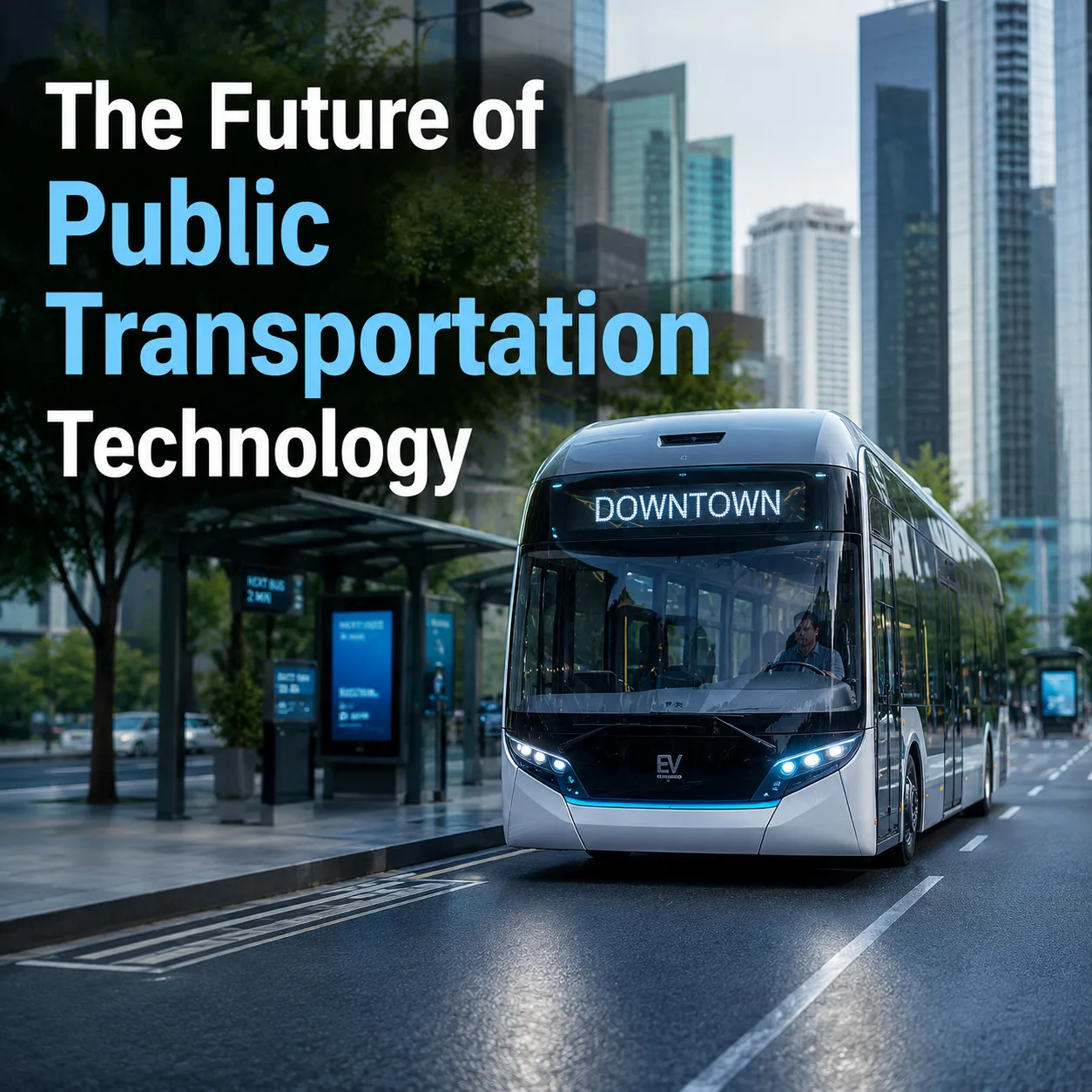
Autonomous cars are becoming more common in regulated settings including mines, warehouses, and some cities. Automation is now pervasive in logistics, even though completely autonomous public transit is still developing.
Key examples include:
✔ Automated fleet management
✔ Predictive shipment tracking
✔ Drone-assisted deliveries
✔ Warehouse robotics coordination
These innovations streamline global supply chains.
AI Automation in Education
Education is experiencing subtle but meaningful automation shifts.
Assignments and tests are now promptly assessed by AI-powered grading systems. Objective examinations and quizzes are effectively automated, but subjective evaluations still need human judgment.
Based on student achievement, adaptive learning platforms modify the level of difficulty of the lessons. Learning results and engagement are enhanced by this customisation.
Administrative duties including scheduling, tracking attendance, and managing enrollment are becoming more automated.
Automation benefits in education include:
✔ Personalized curriculum suggestions
✔ Instant performance feedback
✔ Automated administrative workflows
✔ Data-driven academic insights
AI supports teachers rather than replacing them, allowing more focus on mentorship and instruction.
Customer Service and Business Operations
Across industries, AI automation is transforming customer support and internal operations.
Emails, chat requests, and even phone conversations are handled by natural language processing systems. AI is able to collect client input, elevate complex situations, and fix common issues.
Businesses also automate internal workflows:
✔ Invoice processing
✔ HR onboarding procedures
✔ Payroll calculations
✔ Data entry tasks
Robotic Process Automation (RPA) combined with AI reduces manual work and increases efficiency.
AI in Media and Content Creation
AI has been heavily included into content creation. AI is used by media businesses to automatically construct video highlights, subtitles, and news summaries.
Marketing teams rely on AI tools for:
✔ Automated ad targeting
✔ Content performance analysis
✔ Social media scheduling
✔ SEO optimization
While creative direction remains human-led, automation handles repetitive tasks at scale.
The Impact of AI Automation
The preceding real-world examples demonstrate that AI automation is not going to completely replace entire industries in the near future. Rather, it is changing roles and processes.
Key impacts include:
✔ Increased productivity
✔ Reduced operational costs
✔ Improved accuracy
✔ Enhanced customer experience
But workforce adaptation is also necessary for automation. Workers need to learn how to work alongside AI systems instead of against them.
Conclusion
By 2026, AI automation will be widely used and operational rather than only experimental. Modern infrastructure is heavily reliant on AI technologies for everything from identifying fraud and diagnosing medical issues to streamlining supply lines and customizing education.
These actual cases show how AI automation improves productivity while changing the nature of work. The key to the future is not to fight automation but to learn how to use it to your advantage.
Industry leaders in the next stage of innovation will be those that strategically and responsibly integrate automation as AI develops. In every significant area of the world economy, the change is already taking place and having an effect.