Roads, bridges, and electricity lines are no longer the only types of infrastructure in the contemporary global economy. Digital networks, intelligent transportation systems, smart grids, linked public services, and data-driven urban planning are now all part of it. As a result of this change, an integrated system known as "smart infrastructure" has emerged, which combines digital technology and physical assets to increase economic performance, sustainability, and efficiency.
The economic ramifications are growing in importance as both the public and business sectors invest in smarter systems. Smart infrastructure transforms productivity, investment flows, labor markets, and long-term economic growth in addition to modernizing cities. Smart infrastructure is becoming a key component of economic resilience in a time of technology innovation and environmental problems.
Understanding Smart Infrastructure
Incorporating sensors, data analytics, artificial intelligence, and connectivity into conventional infrastructure systems is known as smart infrastructure. Real-time monitoring, predictive maintenance, and efficient resource allocation are made possible by it.
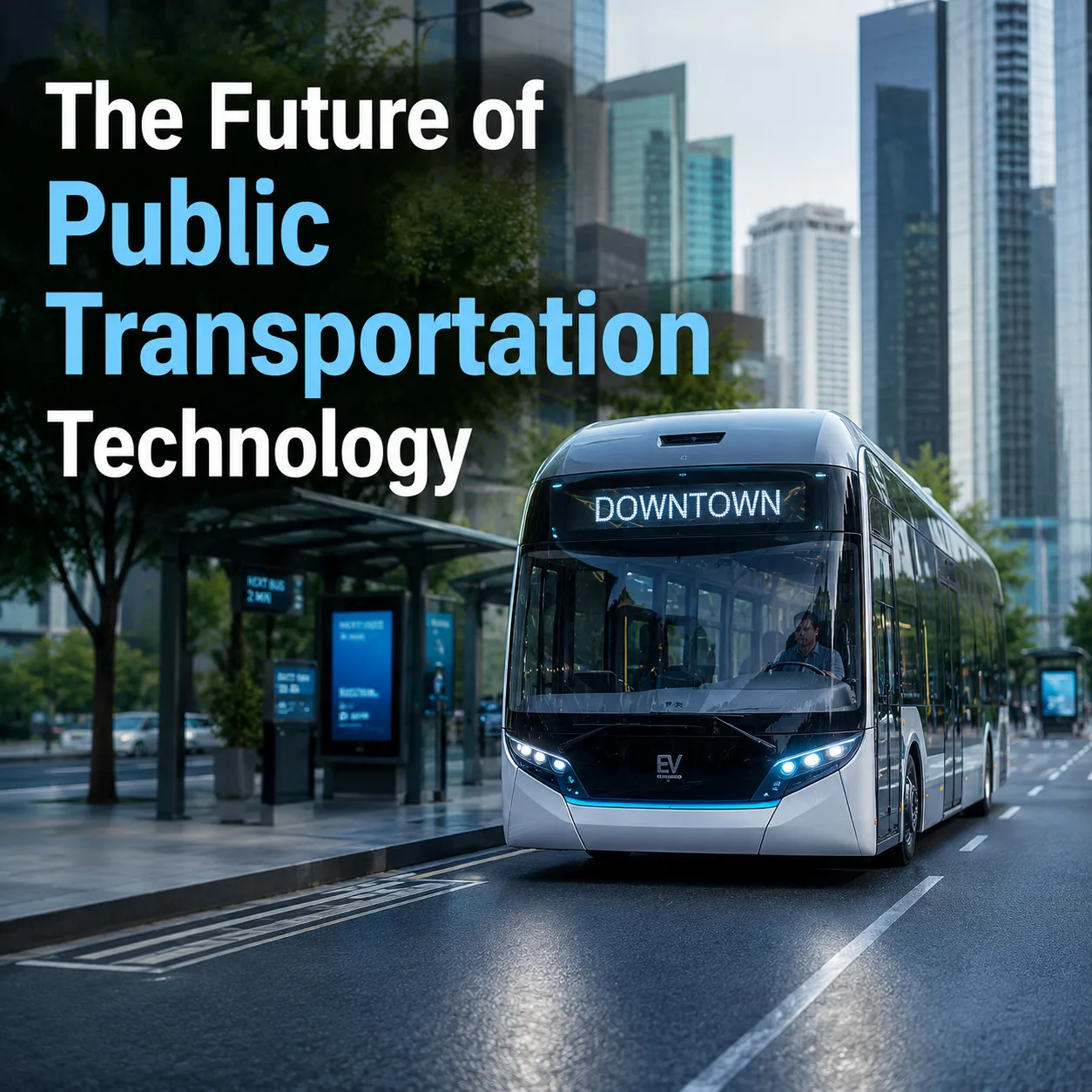
Smart energy grids that effectively balance power demand, computerized water management systems that promptly identify leaks, intelligent traffic management systems that lessen congestion, and linked public transportation networks that give commuters real-time updates are a few examples.
Smart systems, in contrast to traditional infrastructure, continuously gather and examine data. Waste is decreased and operational efficiency is raised with this data-driven strategy. These efficiencies eventually result in quantifiable economic gains.
Boosting Productivity and Efficiency
Increased productivity is one of the most obvious economic effects of smart infrastructure. Businesses can move items more quickly and employees spend less time commuting when transportation systems run effectively. Fuel savings, reduced logistical costs, and increased supply chain dependability are all benefits of less congestion.
Smart grids improve energy distribution by controlling peak demand and reducing outages. Stable electricity supplies help businesses by lowering production losses and downtime.
Key productivity gains include:
✔ Faster transportation and logistics
✔ Reduced operational downtime
✔ Optimized resource management
✔ Lower maintenance costs through predictive systems
By minimizing inefficiencies, smart infrastructure increases national competitiveness in global markets.
Attracting Investment and Innovation
Investors find areas with cutting-edge infrastructure more appealing. Areas with dependable digital connectivity, effective transportation systems, and sustainable energy networks are given priority by businesses looking to construct headquarters, manufacturing facilities, or technology clusters.
Smart infrastructure signals long-term planning and technological readiness. Investors view it as an indicator of economic stability and future growth potential.
Digital infrastructure also promotes innovation environments. To create new goods and services, technology startups and research organizations depend on data platforms, high-speed internet, and contemporary utilities.
As a result, cities investing in smart systems often become centers of innovation, drawing both domestic and international capital.
Job Creation and Workforce Development
Large-scale infrastructure projects provide jobs while they are being built. But smart infrastructure goes one step further by generating long-term employment prospects in cybersecurity, maintenance, technology, data analysis, and system management.
Experts are needed to integrate cloud computing, digital monitoring, and artificial intelligence. Science, technology, engineering, and math-focused school reform and workforce upskilling are encouraged by this desire.
Economic transformation occurs not only through physical development but also through human capital advancement.
Smart infrastructure supports:
✔ High-skilled technology jobs
✔ Technical maintenance roles
✔ Data management and analytics careers
✔ Educational growth in digital fields
These opportunities contribute to sustainable employment growth.
Enhancing Energy Efficiency and Cost Savings
A large amount of the country's expenditures are related to energy. Smart energy systems improve the distribution of power, lower transmission losses, and more successfully incorporate renewable energy sources.
Smart grids reduce peak load stress and the requirement for costly backup generation by controlling demand in real time. The benefits of consistent pricing and reduced utility expenditures extend to households and companies.
At the macroeconomic and microeconomic levels, long-term cost reductions build up. By using predictive maintenance technologies, governments can lower the cost of infrastructure repairs. Rather than responding to malfunctions, systems detect problems before they become more serious.
This proactive approach reduces public spending and reallocates resources to other developmental priorities.
Strengthening Economic Resilience
Climate change, cyberattacks, and supply chain interruptions pose growing hazards to global economy. By facilitating quick reaction and real-time monitoring, smart infrastructure improves resilience.
Smart traffic systems, for instance, can reroute cars in an emergency, while smart water systems can identify contamination instantaneously. Digital controls on energy systems enable problem isolation and speedy service restoration.
Resilient infrastructure minimizes economic losses during crises. Faster recovery times protect businesses, preserve consumer confidence, and stabilize financial markets.
In uncertain global conditions, resilience becomes a major economic advantage.
Supporting Sustainable Growth
Sustainability is closely linked to economic stability. Smart infrastructure reduces carbon emissions by improving energy efficiency and encouraging public transportation use.
Reduced environmental effect results in long-term benefits by preventing expenditures associated with climate-related harm. Green infrastructure initiatives are also frequently eligible for foreign financing and investments with a sustainability component.
Sustainable development is no longer viewed as separate from economic growth. Instead, it forms the foundation of modern economic planning.
Smart infrastructure supports sustainable expansion without compromising future generations.
Improving Urban Competitiveness
These days, cities compete on a worldwide scale for tourists, investment, and talent. Smartly constructed urban neighborhoods provide improved public services, cleaner surroundings, and a higher standard of living.
Connected healthcare systems, digital government services, and real-time public transportation updates all increase citizen satisfaction. Productivity rises when residents feel safe and convenient.
Competitive cities drive national economic growth. As urban centers expand, their infrastructure directly influences overall GDP performance.
Smart systems enable cities to scale efficiently while maintaining livability.
Encouraging Public-Private Partnerships
Smart infrastructure development frequently entails cooperation between public and commercial entities. Public-private partnerships use the private sector's technological know-how and distribute risk.
This collaborative model accelerates innovation and reduces financial burdens on governments. It also fosters competition and efficiency in project execution.
By aligning public interests with private innovation, economies can implement complex infrastructure projects more effectively.
Challenges and Financial Considerations
Smart infrastructure has significant upfront costs despite its economic advantages. Implementation may be slowed by financial limitations, cybersecurity issues, and integration difficulties.
Governments must guarantee open governance and conduct a thorough analysis of long-term gains. Since information gathering is a major component of smart systems, data privacy protection is also essential.
However, many studies suggest that long-term savings and economic growth outweigh initial costs. The key lies in strategic planning and phased development.
The Long-Term Economic Outlook
As the speed of digital change increases, smart infrastructure is probably going to become the norm rather than the exception. Early investment in intelligent systems positions a country as a leader in sustainability and innovation.
Economic impact extends beyond immediate financial gains. Smart infrastructure fosters a culture of efficiency, resilience, and adaptability.
Over the next decade, integration with artificial intelligence, renewable energy networks, and autonomous transport systems will further amplify economic benefits.
Infrastructure is no longer static; it is dynamic, data-driven, and continuously evolving.
Conclusion
Smart infrastructure has a significant and complex economic impact. It boosts national resilience, increases productivity, draws in investment, and produces skilled jobs. Countries can lower expenses, promote sustainable growth, and boost urban competitiveness by incorporating technology into physical systems.
Smart infrastructure is a safeguard and a growth engine in a world economy that is evolving quickly. Although implementation necessitates investment and vision, the long-term benefits set economies up for more robust and sustained growth.