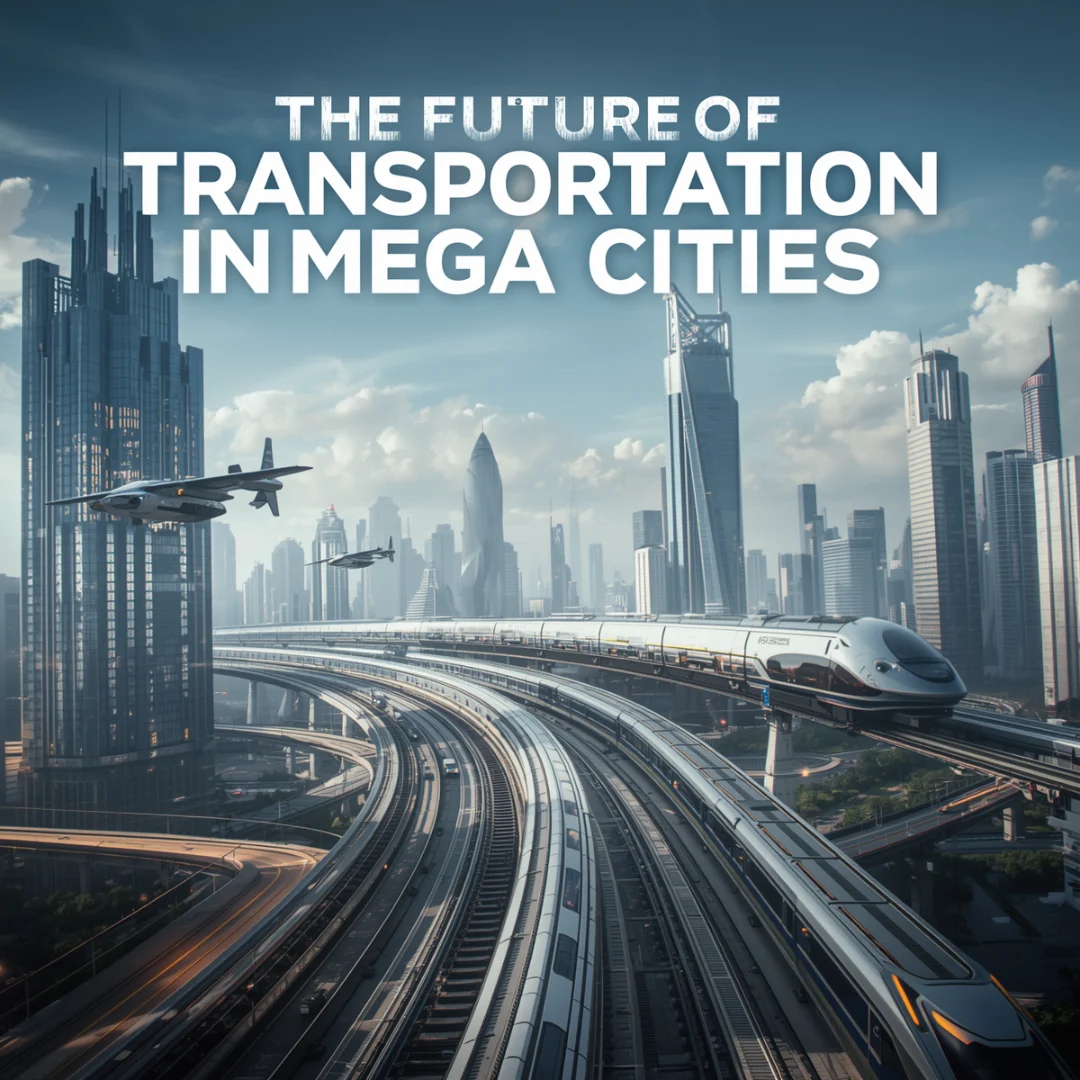
Cities are getting bigger and denser as the world's population keeps growing. Globally, mega cities—urban centers with a population of more than ten million—are growing quickly. Cities like Shanghai, Delhi, and Tokyo already have serious transportation problems because of their dense populations, heavy traffic, and rising mobility demands.
For these enormous urban areas to function economically and socially, effective transportation systems are crucial. However, as metropolitan populations rise, traditional transportation infrastructure frequently cannot keep up. Cities are looking at creative solutions that combine cutting-edge technology, sustainability, and astute planning to handle these issues.
Electric vehicles, self-driving cars, intelligent public transportation systems, and innovative urban mobility solutions that lessen traffic and environmental effect are all likely to be part of the transportation landscape in megacities.
The Challenge of Urban Mobility
Transportation networks in megacities are under tremendous strain. Roads, public transportation systems, and infrastructure are severely strained by the millions of people who travel every day for work, school, and other purposes.
In many big cities, traffic congestion has grown to be a significant problem. Long commutes contribute to air pollution, lower productivity, and higher fuel usage.
✔ Severe traffic congestion during peak hours
✔ Limited road space and overcrowded transit systems
✔ High levels of air pollution from vehicles
✔ Growing demand for faster and more reliable transportation
These challenges are pushing governments and urban planners to rethink how transportation systems are designed and managed.
Expansion of Public Transportation Networks
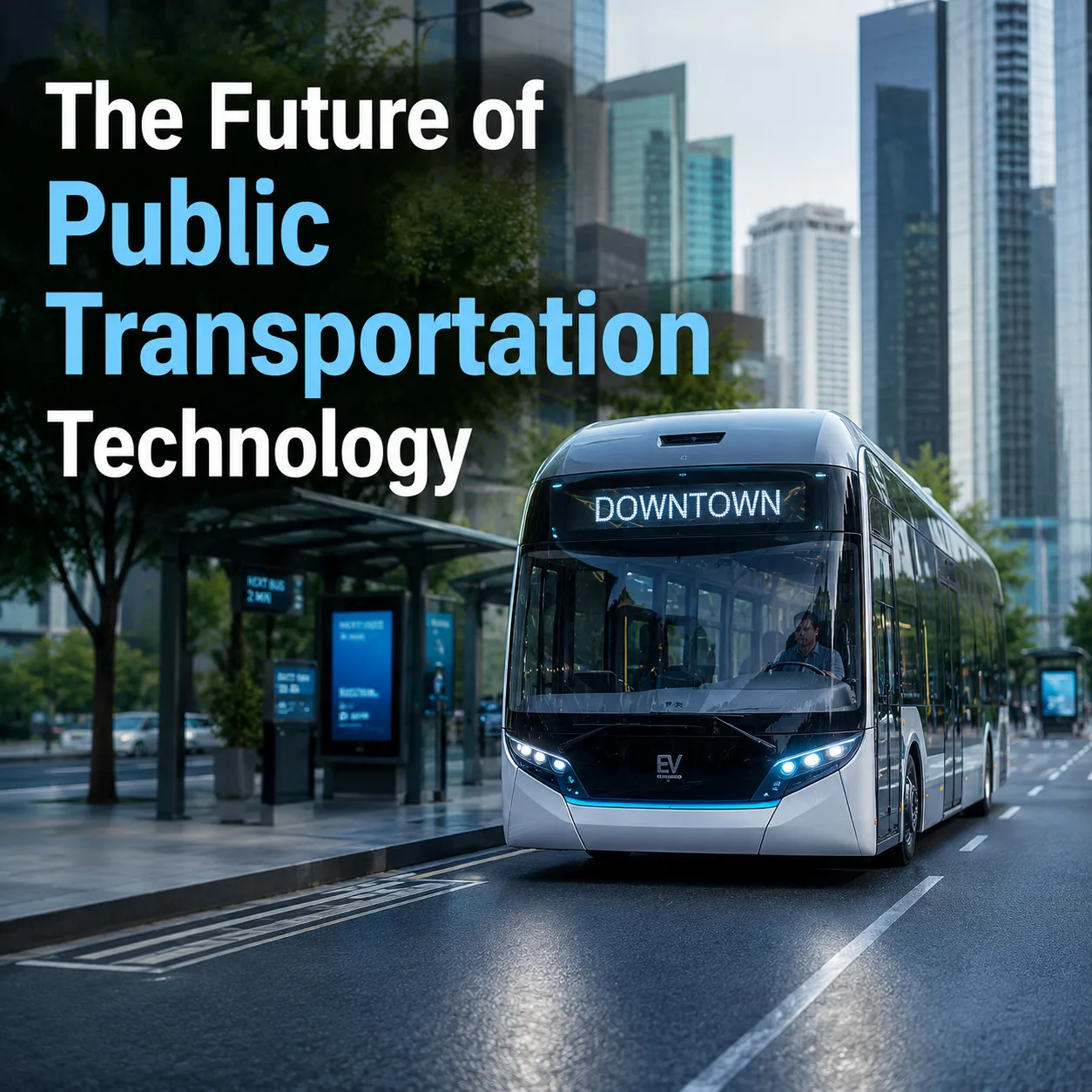
In megacities, public transit is still one of the best ways to move big crowds of people quickly. In order to cut down on the amount of private vehicles on the road, commuter train, buses, and subways are essential.
Expanding their metro systems is a major investment for many cities. For instance, the Delhi Metro has developed into one of the world's biggest rapid transit systems, facilitating the efficient daily commuting of millions of people.
In a similar vein, the Shanghai Metro keeps growing, linking new metropolitan areas and lowering dependency on private automobiles.
✔ Reduced traffic congestion
✔ Lower transportation costs for commuters
✔ Decreased carbon emissions
✔ Faster and more reliable urban mobility
Expanding public transportation systems will remain a key strategy for managing mobility in mega cities.
Electric Vehicles and Sustainable Mobility
The transition to electric vehicles (EVs) is one of the major factors influencing transportation in the future. Since EVs have no exhaust emissions, they are more environmentally friendly than conventional gasoline-powered vehicles.
To lower air pollution and enhance urban air quality, cities all over the world are promoting the use of electric vehicles, buses, and taxis. Businesses like BYD and Tesla are significantly contributing to the development of electric mobility technologies.
Many governments are also investing in charging infrastructure to support widespread EV adoption.
✔ Reduced greenhouse gas emissions
✔ Lower operating costs for vehicles
✔ Quieter urban environments
✔ Improved air quality in densely populated areas
As battery technology improves, electric transportation is expected to become increasingly common in mega cities.
Autonomous and Self-Driving Vehicles
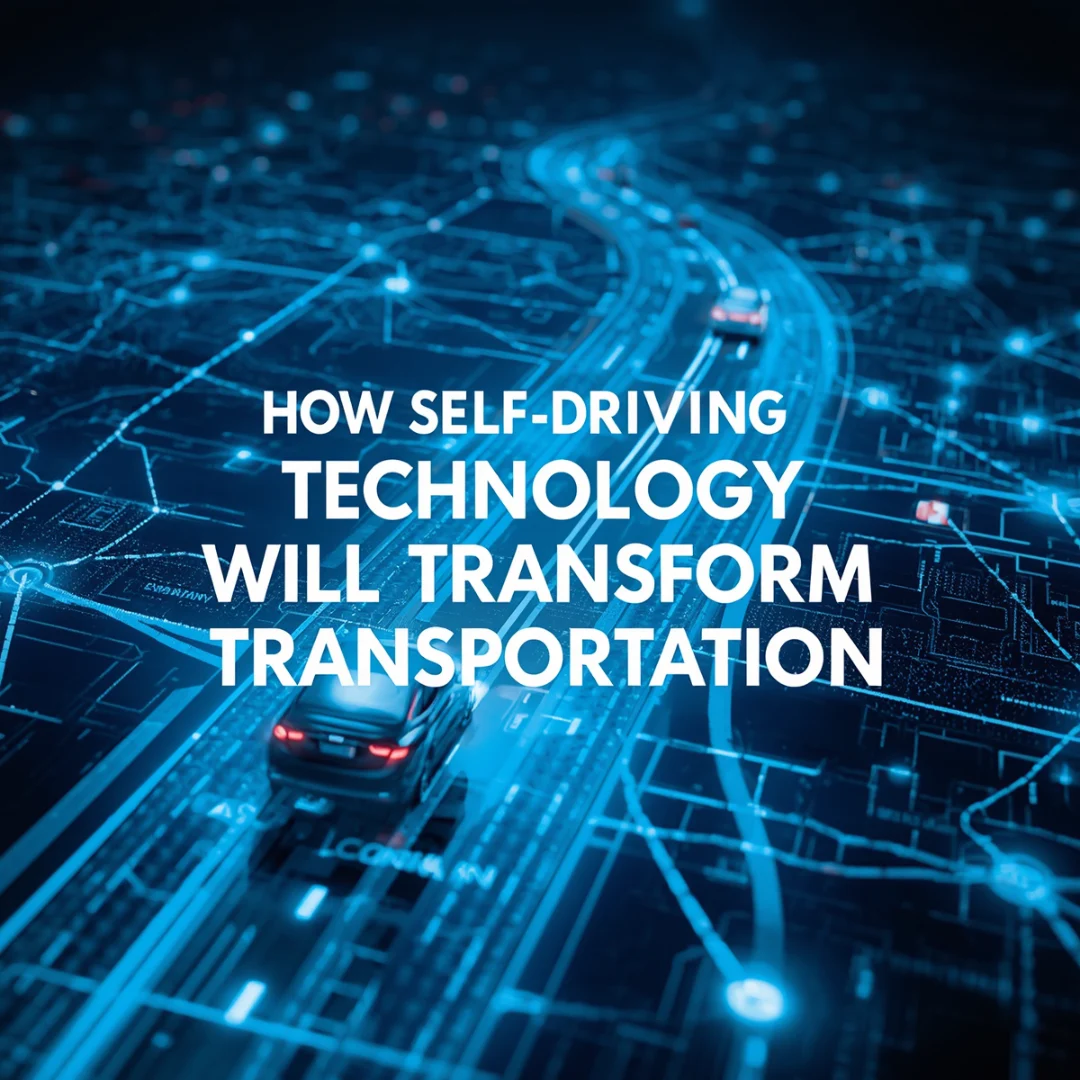
Autonomous vehicles are another significant invention that is anticipated to change urban transportation. Artificial intelligence, sensors, and sophisticated navigation systems are used by self-driving automobiles to function without human drivers.
Autonomous driving technologies are being developed by companies like Waymo and Tesla, which might someday lower accident rates and increase traffic efficiency.
Additionally, autonomous cars could facilitate shared transportation systems in which self-driving taxis pick up and deliver people to their destinations.
✔ Reduced human driving errors and accidents
✔ Improved traffic flow through smart navigation
✔ Increased accessibility for elderly and disabled passengers
✔ More efficient use of urban road infrastructure
Although widespread adoption may still take time, autonomous vehicles could dramatically reshape transportation in mega cities.
The Rise of Smart Mobility
The term "smart mobility" describes how digital technologies are incorporated into transportation systems to increase convenience and efficiency. Real-time data collection and analysis are made possible by smart city technology for transportation networks.
To lessen traffic, traffic management systems, for instance, can monitor road conditions and modify traffic signals. Commuters can check transit schedules, plan itineraries, and make fast reservations for transportation services using mobile apps.
Ride-hailing services like Uber and Ola have already changed how people move around cities by providing on-demand transportation options.
✔ Real-time traffic monitoring and management
✔ Integrated digital ticketing for public transport
✔ Smartphone apps for trip planning and ride booking
✔ Data-driven urban transportation planning
These technologies help cities operate transportation networks more efficiently.
Micro-Mobility Solutions
Micro-mobility is another new development in urban transportation. Smaller vehicles intended for short-distance transport, such as shared mobility devices, electric scooters, and bicycles, fall under this category.
For the "last mile" issue, which involves assisting commuters in getting from public transportation terminals to their ultimate destinations, micro-mobility solutions are especially helpful.
Many cities have introduced shared bike and scooter programs to provide convenient alternatives to cars for short trips.
✔ Reduced dependence on cars for short distances
✔ Lower transportation costs for commuters
✔ Environmentally friendly mobility options
✔ Reduced traffic congestion in city centers
These solutions help create more flexible and sustainable urban transportation systems.
Urban Air Mobility and Flying Taxis
In the future, some megacities might actually have urban air mobility. Electric vertical takeoff and landing (eVTOL) aircraft and flying taxis are being developed to move people through the air above clogged roadways.
Prototypes of electric flying taxis intended for urban settings are now being tested by businesses like Joby Aviation and Archer Aviation.
These technologies may someday offer quick and effective transit solutions for congested cities, even though they are still in the development stage.
Challenges and Considerations
There are a number of obstacles to overcome when introducing new transportation systems in large cities, despite these fascinating advancements. Careful urban planning and substantial financial investment are necessary for infrastructure development.
Concerns about safety and regulations also surround new technology like flying taxis and driverless cars. Policies that guarantee the public can use these technology safely must be created by governments.
In order for all citizens, including those living in lower-income areas, to take advantage of better mobility systems, transportation solutions must continue to be inclusive.
✔ High infrastructure costs
✔ Safety and regulatory concerns
✔ Ensuring equitable access to mobility
✔ Integrating new technologies with existing systems
Addressing these challenges will be essential for building sustainable transportation networks.
The Future of Urban Transportation
Future transportation networks that integrate various forms of mobility are probably going to be interconnected. Commuters may employ a combination of public transportation, shared mobility services, and micro-mobility choices rather than just private vehicles.
Digital platforms could integrate these services into a single system where users plan and pay for their journeys through one app.
Sustainability, efficiency, and innovation will become more and more important in transportation planning as cities expand. The mobility systems of the future will be significantly shaped by environmentally friendly automobiles and smart technologies.
Conclusion
Mega cities' expanding populations and rising mobility demands present complicated transportation difficulties. However, new opportunities to change how people travel inside these urban contexts are being created by technological innovation and astute urban planning.
The future of urban mobility is probably going to be more efficient, connected, and sustainable, ranging from autonomous vehicles and electric cars to smart transit networks and micro-mobility solutions.
By making investments in cutting-edge transportation systems that serve millions of commuters, cities like Tokyo and Shanghai are already setting the standard.