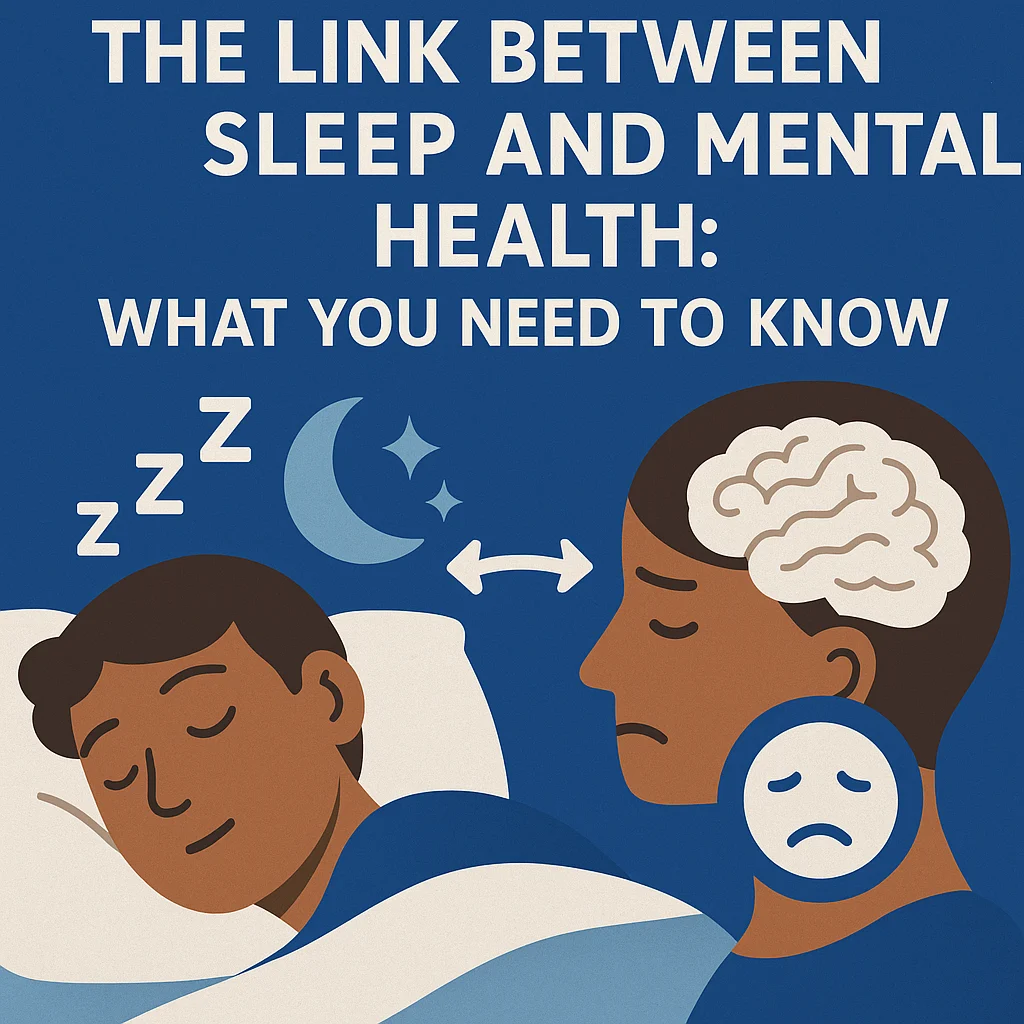
Sleep is frequently the first thing we give up in a world that never stops moving. Our contemporary lifestyle makes getting enough sleep seem like a luxury, whether it's through late-night scrolling, binge-watching TV, or rushing to meet deadlines. It is difficult to overlook the fact that sleep is crucial for both your physical and mental well-being.
Growing research has shown that getting too little sleep has an impact on your mood, memory, decision-making, and emotional equilibrium in addition to making you feel exhausted. In actuality, mental health and sleep are so intertwined that one cannot exist without the other.
We'll examine the science underlying the link between sleep and mental health in this blog, as well as offer helpful advice on how to enhance both your emotional health and the quality of your sleep.
Why Sleep Matters So Much for Mental Health
Sleep is more than just your body's downtime. It's a crucial time for memory consolidation, emotion processing, and brain recharge. Your emotional control deteriorates, stress levels increase, and the symptoms of depression and anxiety may worsen when this process is disturbed.
Key roles sleep plays in mental health:
-
Emotional processing: During REM sleep, the brain processes emotions and traumatic memories.
-
Neurochemical balance: Sleep keeps dopamine and serotonin in the right amounts in the brain.
-
Stress regulation: Lack of sleep increases cortisol, the stress hormone, leading to irritability and tension.
-
Cognitive clarity: Your concentration, memory, and judgment deteriorate when you don't get enough sleep, which makes managing stress more difficult.
In short, poor sleep doesn’t just affect how you feel physically—it warps how you experience the world mentally and emotionally.
Sleep Disorders and Their Mental Health Impact
Several mental health issues are closely associated with sleep disorders, including:
1. Insomnia
Insomnia sufferers frequently experience trouble falling or staying asleep, which feeds the vicious cycle where anxiety leads to poor sleep, which in turn exacerbates anxiety.
2. Sleep Apnea
Breathing stops and starts during the night due to this condition, frequently without the sleeper's knowledge. It causes mood swings, memory problems, and excessive daytime fatigue. Individuals who suffer from sleep apnea are more likely to experience depression.
3. Restless Leg Syndrome (RLS)
Uncomfortable leg sensations brought on by RLS disrupt sleep. Anxiety related to sleep and depression symptoms are more common in people with RLS.
4. Delayed Sleep Phase Disorder
Teenagers and young adults frequently suffer from this disorder, which causes them to have a delayed body clock and find it difficult to fall asleep before two or three in the morning. Poor academic performance and daytime depression are frequent outcomes of this misalignment.
How Poor Sleep Affects Specific Mental Health Conditions
🔹 Depression
Depression is much more likely to strike people who have ongoing sleep issues. Actually, one of the best indicators of upcoming depressive episodes is insomnia. Conversely, people who are depressed frequently have trouble falling asleep, which feeds the cycle.
🔹 Anxiety Disorders
The brain's fear center, the amygdala, becomes hyperactive when people don't get enough sleep. This implies that even minor stressors can result in excessive anxiety. Lack of sleep also affects the prefrontal cortex, which aids in fear rationalization.
🔹 Bipolar Disorder
Manic and depressive episodes can be precipitated and exacerbated by sleep disturbance. Keeping a regular sleep-wake pattern is essential for bipolar disorder patients to stabilize their mood.
🔹 ADHD (Attention Deficit Hyperactivity Disorder)
People with ADHD often complain of having trouble sleeping. It can be more difficult to control ADHD symptoms when sleep deprivation exacerbates attention span, impulsivity, and emotional outbursts.
🔹 PTSD (Post-Traumatic Stress Disorder)
PTSD is characterized by changes in sleep patterns. Insomnia, night sweats, and nightmares hinder the brain's ability to process trauma appropriately, which delays the healing process.
The Science: How Sleep Affects the Brain
🧠 1. Sleep and the Prefrontal Cortex
Impulse control and logical reasoning are functions of this part of the brain. Lack of sleep impairs its ability to function, making it more difficult to maintain emotional stability, focus, and composure.
🧠 2. Sleep and the Amygdala
Emotional responses are processed by the amygdala. It becomes more hypersensitive and reactive when it doesn't get enough sleep. Because of this, when you're sleep deprived, even small problems can feel overwhelming.
🧠 3. Sleep and Neurotransmitters
Mood and energy are controlled by brain chemicals such as serotonin, dopamine, and norepinephrine. An imbalance in these chemicals brought on by sleep deprivation results in anxiety and depression symptoms.
🧠 4. Sleep and Memory Consolidation
The brain arranges and stores emotional memories while you are in REM sleep. Emotional distress may worsen if traumatic or distressing experiences go unresolved due to insufficient REM sleep.
How Much Sleep Do You Really Need?
The National Sleep Foundation recommends:
-
Adults (18–64): 7–9 hours per night
-
Teens (14–17): 8–10 hours per night
-
Older adults (65+): 7–8 hours per night
It’s not just about quantity but quality. Interrupted or shallow sleep can be just as harmful as not sleeping enough.
Signs Your Mental Health Is Being Affected by Poor Sleep
-
Waking up exhausted despite a full night’s sleep
-
Mood swings, irritability, or sadness
-
Difficulty concentrating or remembering things
-
Feeling anxious without a clear cause
-
Increased sensitivity to stress
-
Social withdrawal or emotional numbness
If you notice these signs regularly, it’s time to assess your sleep habits and consider making changes.
Practical Tips to Improve Sleep and Support Mental Health
✅ 1. Establish a Consistent Sleep Routine
Even on the weekends, make sure you go to bed and wake up at the same time every day. This helps regulate your hormones and trains your circadian rhythm.
✅ 2. Limit Screen Time Before Bed
The hormone that promotes sleep, melatonin, is suppressed by the blue light from phones and laptops. At least 60 minutes before going to bed, try to unplug.
✅ 3. Create a Sleep-Friendly Environment
-
Keep your room dark, quiet, and cool
-
Use blackout curtains or a sleep mask
-
Invest in a comfortable mattress and pillow
✅ 4. Avoid Stimulants Late in the Day
Limit your intake of nicotine, caffeine, and even large meals after 6 p.m. These interfere with your body's ability to relax.
✅ 5. Try Relaxation Techniques
-
Deep breathing
-
Meditation
-
Guided imagery
-
Progressive muscle relaxation
These can signal to your nervous system that it’s time to relax and rest.
✅ 6. Exercise Regularly
Exercise lessens the symptoms of anxiety and depression and enhances the quality of sleep. Try to get in at least 30 minutes most days, but stay away from strenuous exercise right before bed.
✅ 7. Journal Before Bed
Try putting your worries or thoughts in writing if your mind is racing at night. This signals the end of the day and clears the mental clutter.
✅ 8. Seek Professional Help
Consult a sleep specialist or mental health professional if your sleep issues don't go away. For long-term sleep improvement, Cognitive Behavioral Therapy for Insomnia (CBT-I) works very well.
The Positive Feedback Loop: Sleep and Mental Strength
Enhancing your sleep actively increases emotional resilience in addition to preventing mental health issues. Getting enough sleep will make it simpler for you to:
-
Handle daily stress
-
Stay optimistic
-
Think clearly
-
Manage relationships
-
Make healthy choices
In other words, rest is not laziness—it’s the foundation for emotional strength.
Final Thoughts
One of the most effective, all-natural ways we can support our mental health is through sleep. It is free, accessible every night, and has positive effects on all facets of life, including relationships, creativity, motivation, and mood.
Don't undervalue the restorative power of sleep if you're experiencing stress, anxiety, or depression. Sleep is necessary; it is not optional.
Make it a priority, protect it fiercely, and watch your mental health flourish.