The Psychology of Overstimulation
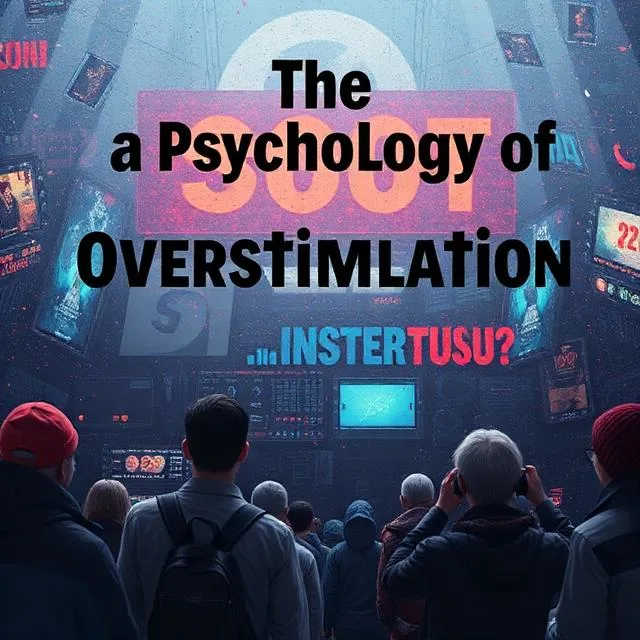
One of the most distinctive psychological phenomena of contemporary living is overstimulation. Our senses are overloaded with noise, screens, information, demands, and emotional input as soon as we get up. The human brain is incredibly flexible, but it is not built to handle continuous emotional, cognitive, and sensory stress. Widespread feelings of mental exhaustion, emotional numbness, anger, and trouble concentrating are the outcome.
Despite having more comfort, convenience, and connectivity than ever before, many people nevertheless feel overwhelmed. This can be explained by an understanding of the psychology of overstimulation. Being busy is only one aspect of overstimulation; another is when the nervous system is overworked and unable to process, regulate, and heal.
What Overstimulation Really Means
When the brain is exposed to more sensory, emotional, or cognitive information than it can process efficiently, overstimulation takes place. This overload interferes with the brain's capacity to focus, control emotion, and filter information.
Environments with natural cycles of stimulus and relaxation are where the brain originated. On the other hand, modern settings offer continuous novelty without any natural breaks. The brain adjusts over time by continuing to be hypervigilant, which makes it more difficult to unwind, focus, or maintain emotional equilibrium.
It's not always dramatic to feel overstimulated. It frequently manifests as persistent distraction, emotional flatness, restlessness, or slight fatigue. Even in the absence of an immediate threat, the nervous system is still active.
The Nervous System Under Pressure
An important factor in overstimulation is the neurological system. The body enters a state of elevated alertness when it is overburdened, triggering stress hormones and focusing attention on perceived demands.
In brief situations, like reacting to danger, this state is helpful. However, dysregulation results when it is sustained for extended periods of time. Instead of returning to calm regulation, the body becomes trapped between fight, flight, freeze, or shutdown states.
✔️ Overstimulation increases physiological stress.
✔️ Chronic activation reduces emotional resilience.
✔️ Nervous system imbalance disrupts mental clarity.
The immune system is weakened, energy is depleted, and emotional processing is hampered by this ongoing activity.
The Role of Attention in Overstimulation
The entry point for stimuli into the mind is attention. The brain finds it difficult to prioritize, organize, and integrate information when it is continuously tugged in many directions.
Attention is fragmented by overstimulation. The mind quickly switches between tasks, ideas, and stimuli rather than maintaining a steady focus. This raises mental weariness and decreases cognitive efficiency.
When the brain's filtering systems are overloaded, too much or irrelevant information can become conscious. This produces a feeling of internal cacophony and mental clutter.
✔️ Overstimulation weakens attentional control.
✔️ Fragmented attention increases cognitive load.
✔️ Mental noise reduces emotional clarity.
Internal awareness declines when attention becomes more externally focused, separating people from their feelings, ideas, and physical cues.
Emotional Overload and Numbness
When people encounter too many emotional demands without enough time or space to handle them, it's known as emotional overstimulation. Social pressures, conflict, accountability, ambiguity, and ongoing emotional input from relationships and the media are a few examples of this.
The mind frequently reacts with emotional shutdown when emotions build up without integration. This numbing reaction lessens empathy and emotional richness while protecting against overwhelm.
Emotional numbness is the outcome of excessive emotion without resolution, not the lack of emotion. In order to withstand the overload, the neurological system reduces emotional sensitivity.
✔️ Emotional overload leads to emotional withdrawal.
✔️ Numbness replaces emotional integration.
✔️ Emotional fatigue weakens interpersonal connection.
This tendency can eventually result in apathy, fatigue, and a weakened feeling of purpose.
The Impact of Overstimulation on Decision-Making
Making decisions is severely hampered by overstimulation. The brain switches from reflective reasoning to reactive behavior when it is overloaded. Urgency, habit, or emotional instinct take precedence over careful consideration while making decisions.
Relief takes precedence over wisdom in the overburdened intellect. It prioritizes short-term comfort over long-term gain. Avoidance, procrastination, impulsivity, or inflexible thinking are possible outcomes of this.
✔️ Overstimulation increases reactivity.
✔️ Overload reduces cognitive flexibility.
✔️ Mental fatigue weakens judgment.
People may feel less secure in their decisions and more likely to regret them as a result.
Overstimulation and Identity Confusion
Identity is created by the mind by introspection, integration, and experience. By limiting chances for introspection and self-awareness, overstimulation interferes with this process.
People lose touch with their inner world when they are focused solely on the outside world. Identity drift and emotional separation result from their increased reactivity to cultural forces, social comparisons, and outside expectations.
Goals become externally motivated, values become hazy, and it becomes more difficult to find personal significance when there is no room for introspection.
The Cultural Drivers of Overstimulation
Overstimulation is a cultural situation rather than just an individual problem. Speed, productivity, visibility, and continuous engagement are valued in today's societies. Reflection, quiet time, and rest are frequently undervalued or seen as ineffective.
Through the creation of limitless sources of entertainment, information, and social comparison, technology intensifies this culture. Seldom is the brain given time to relax, think, or recharge.
People are conditioned by this cultural milieu to associate success with stimulation and failure with silence. Because of this, a lot of people feel worried when they're not working and guilty for taking a nap.
Overstimulation and the Loss of Presence
Emotional control and attentional stability are necessary for presence. Both are disrupted by overstimulation. Attention stays externally focused and emotionally responsive when the nervous system is overloaded.
It is challenging to completely inhabit the current moment as a result. The mind is constantly searching for information, unfinished business, or emotional dangers, even in peaceful times.
✔️ Overstimulation reduces present-moment awareness.
✔️ Mental noise replaces sensory clarity.
✔️ Emotional overload blocks experiential depth.
Even when life is busy, it feels hurried, superficial, and disjointed as presence wanes.
The Relationship Between Overstimulation and Burnout
Burnout is caused by inadequate recovery rather than just working too much. By keeping the nervous system active even when at rest, overstimulation hinders healing.
Emotional tiredness, cynicism, diminished performance, and a detached feeling are all signs of burnout. It is the result of sustained overload without recovery on a psychological level.
By blurring the lines between work and relaxation, cognition and action, and stimulation and recuperation, overstimulation hastens burnout.
The Psychology of Avoidance
Emotional avoidance and overstimulation frequently coincide. People seek distraction from their interior experiences when they feel overwhelmed. This starts a vicious cycle whereby overstimulation causes discomfort, which in turn causes additional stimulation to get rid of the discomfort.
This avoidance tendency worsens dysregulation, hinders emotional processing, and increases reliance on outside stimuli.
✔️ Overstimulation fuels avoidance.
✔️ Avoidance reinforces overstimulation.
✔️ The cycle weakens emotional resilience.
Breaking this cycle requires not more stimulation, but more tolerance for stillness and internal experience.
Relearning Regulation in an Overstimulated World
The capacity to regain equilibrium following activation is known as psychological regulation. When persistent overstimulation occurs, this capacity deteriorates. Intentional pauses, emotional awareness, and nervous system maintenance are necessary for relearning regulation.
Restoring equilibrium between stimulation and rest, engagement and recuperation, action and introspection, is what regulation entails rather than doing away with stimulation.
Emotions can integrate, attention can stabilize, and the neurological system can reset thanks to this equilibrium.
✔️ Regulation restores nervous system balance.
✔️ Regulation improves emotional clarity.
✔️ Regulation strengthens mental resilience.
Through regulation, overstimulation loses its power to overwhelm.
The Healing Power of Stillness
Stillness is integration, not nothingness. It enables the brain to organize, process, and release collected stimuli. Cognitive coherence, emotional control, and sensory acuity are all restored by stillness.
The nervous system moves in the direction of safety when there is quiet. The focus settles. Feelings become softer. The clarity of thought increases. Healing, creativity, and deep connection are all supported in this condition.
Stillness is not a retreat from life—it is a return to life.
Redefining Productivity and Worth
The idea that value is determined by output, speed, and visibility is one of the psychological causes of overstimulation. This idea discourages relaxation and promotes continuous participation.
Healthy work-rest cycles are made possible by redefining productivity as sustainability rather than speed. The temptation to perform continuously is lessened when merit is redefined as intrinsic rather than acquired.
This mental change produces psychological safety, which is necessary for presence and control.
Conclusion
The psychology of overstimulation shows that contemporary unhappiness results from a systemic imbalance between stimulation and regulation rather than a lack of personal willpower. Without rest, introspection, and integration, the brain and nervous system are not built for continuous input.
Attention, emotion, identity, and decision-making are all disturbed by overstimulation. It diminishes meaning, intensifies burnout, and lessens presence. It is not, however, irreversible.
People can reestablish balance through awareness, control, quiet, and cultural redefinition. Clarity replaces overstimulation. Resilience replaces overload. Presence replaces distraction.
Learning to pause becomes a wise act in a world that never stops. The mind seeks coherence, healing, and new life during that moment rather than nothingness.