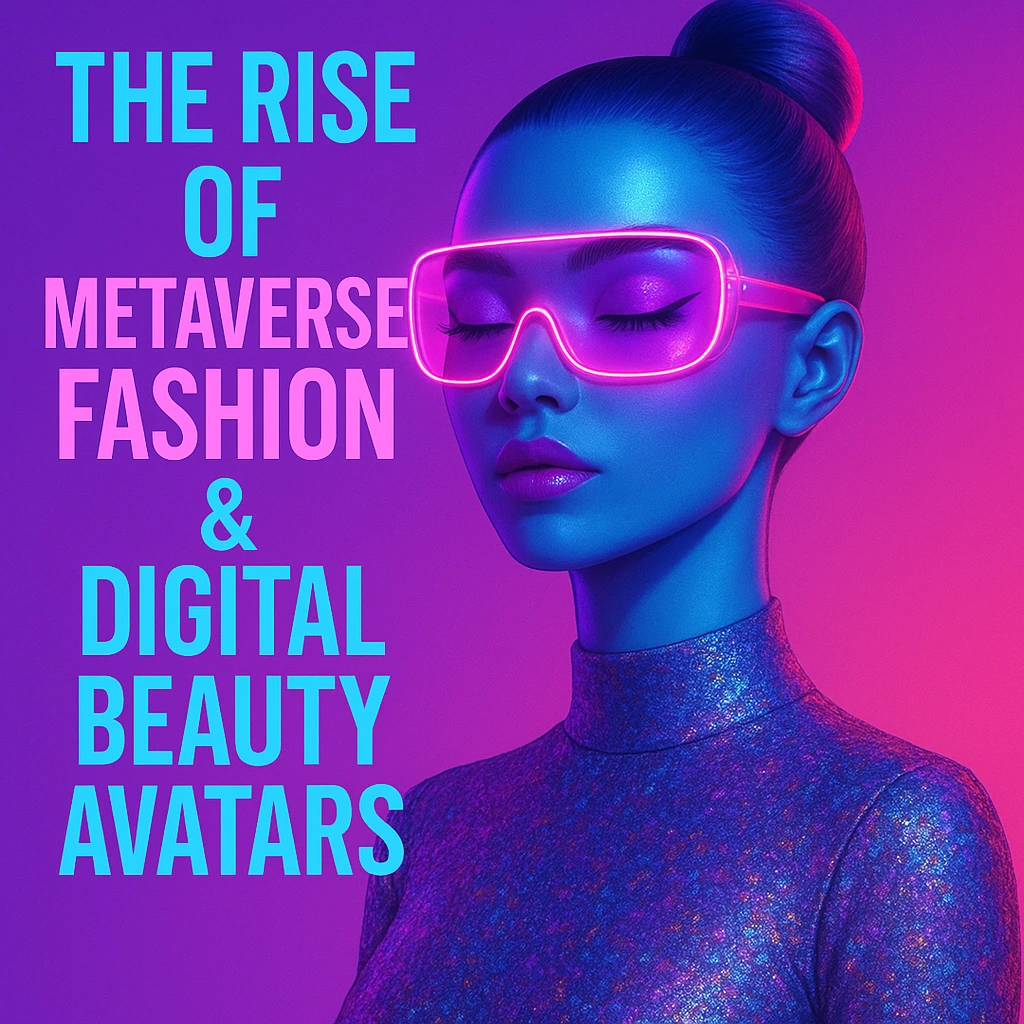
It was once considered science fiction that we could wear our identities in a virtual environment. Avatar closets, NFT wearables, and AR beauty try-ons are already commonplace experimentation for startups, luxury brands, and international platforms. What began as pixel-based cosmetics and game skins has developed into an ecosystem that includes digital clothing marketplaces, beauty tools that prioritize avatars, and marketing activations within virtual worlds. This change is significant because, whether in a real café or a virtual plaza, style is how individuals convey stories about themselves. In the coming years, brands and innovators who understand that the avatar is the new storefront will influence culture (and money).
From novelty skin to serious commerce
Avatar skins and early digital apparel were novelty goods in video games. However, the market has expanded quickly. Fully virtual collections became feasible and accessible to non-gamers thanks to dedicated platforms like DRESSX and The Fabricant, which started providing designer-level digital clothing and production tools. Simultaneously, virtual worlds like Decentraland, Roblox, and new social metaverses offer venues for avatars to engage, watch performances, and show off acquired looks, transforming previously obscure objects into tangible social currency.
This enthusiasm is supported by retail and market studies, which show that companies see a real path from experimentation to income streams. Analysts follow multi-billion dollar estimates for metaverse shopping, avatar markets, and virtual try-on platforms. These predictions clarify why digital collections, partnerships, and "phygital" drops (physical + digital) are being invested in by both independent designers and established fashion houses.
Why consumers — especially Gen Z — care
Digital identity is viewed by younger generations as an extension of who they are. Avatars are curated, shared, and monetized personas rather than merely nameless ones. According to reports and platform statistics, Gen Z and Gen Alpha have a strong buy intent for digital clothing and avatar cosmetics, which frequently reflects their tastes for in-person fashion. This creates a special dynamic: without the logistical or environmental limitations of actual design, digital clothing can be experimental, theatrical, or aspirational.
Avatars provide social standing and a sense of belonging in addition to style. Similar to how limited sneakers or festival looks do in real life, wearing a limited piece from a well-known designer or an exclusive branded drop might indicate community participation.
Digital beauty avatars: makeup, skincare and “try before you buy”
The beauty aspect of the metaverse has grown in tandem with fashion. AI-assisted skin-analysis tools and AR-driven virtual makeup try-ons allow customers to trial on looks before making a purchase, boosting confidence and lowering e-commerce returns. These capabilities are being added to avatar systems by platforms, allowing your virtual self to wear a brand's newest color scheme, hairdo, or skin tone in social media and streaming. The virtual try-on business is expanding rapidly, according to analysts, demonstrating how technology is changing beauty product development and marketing.
Digital avatars provide a lower-risk setting for cosmetic businesses to test colorways, try out daring appearances, and collect customer preference data that informs actual product launches. For customers, it's play plus utility: try a lot of different things before purchasing the actual product (or just the digital version, depending on choice).
Big fashion houses, tech platforms and new business models
What’s striking is how the ecosystem mixes players from different worlds:
-
Luxury brands have introduced virtual performances, NFTs, and digital collections to generate additional revenue and cultural value. Prominent fashion businesses collaborate with digital designers and take part in specialized metaverse fashion events.
-
Digital-native platforms like DRESSX are experts at producing, marketing, and distributing digital clothing and avatar accessories in various virtual worlds. These businesses serve as both marketplaces and designers.
-
Tech platforms The audiences and settings where avatars reside and interact are provided by platforms like Meta (which offers avatar enhancements and an avatar store) and gaming worlds like Roblox, Fortnite, and Decentraland. Meta's continuous avatar enhancements demonstrate how platform owners view avatars as the glue that holds apps together.
Limited edition releases, NFT ownership connected to provenance and utility, subscription wardrobes, and cross-platform interoperability (still a problem for the industry) are some of the new business models that have surfaced. Because exclusivity and community access (events, experiences, tokenized rewards) offer value beyond fabric, some brands sell only digital clothing at prices much higher than production costs.
Creative opportunities and sustainability upside
Digital fashion is a new design language that goes beyond simple commerce. Designers might envision clothing that glows, changes, or reacts to in-platform actions without being constrained by gravity, materials, or manufacturing. This creative flexibility encourages innovation and fresh looks that eventually impact real-world fashion trends.
Another sustainability argument is that runway shows, lookbooks, and digital samples cut down on travel and physical waste. Because digital apparel allows for better virtual try-ons, it can cut returns and eliminate the need for many physical samples. The energy footprint of servers and blockchains affects these advantages, of course, but as platforms decarbonize and switch to more effective solutions, digital fashion's environmental case gets stronger.
The friction: interoperability, regulation and authenticity
Even with the quick advancement, obstacles still exist. True cross-metaverse dressing is limited because avatars and clothing are frequently isolated within particular platforms. File format, avatar rig, and commerce standards are still developing; enterprises and open standards organizations will need to work together to ensure interoperability.
Another issue is consumer protection and authentication. Although NFTs offered clear ownership, some mainstream consumers have been wary because to the complexity of wallets, scams, and tax laws. Brands must manage intellectual property and data privacy issues while creating captivating avatar experiences, and regulatory frameworks for virtual assets and consumer rights are still catching up.
What brands and creators should do now
-
Experiment, but pick measurable goals. To find out what interests your audience, do limited drops, incorporate augmented reality try-ons, or sponsor a virtual runway. Monitor conversion, retention, and community signals.
-
Design for avatar identity, not simply to copy IRL. Motion, interactivity, and narrative utility are just a few of the aesthetics made possible by avatars.
-
Prioritize UX and low-friction purchases. Complexity is increased by wallets and cryptocurrency. To reduce obstacles for mainstream clients, provide fiat payment choices, simple onboarding, and unambiguous ownership conditions.
-
Think long term about standards and partnerships. Increased value will result from interoperability; collaborate with platform owners and trade associations to help develop open formats.
Looking ahead: identity, commerce and culture
Online identity expression is already being transformed by avatars and digital beauty. Richer avatar ecosystems—better cross-platform wardrobes, AI-generated avatar customisation, and more seamless AR/VR integration—will emerge as technology advances and audiences expand. The victors will be those who approach the metaverse as a new medium for storytelling rather than as a gimmick: designers who create iconic digital clothing, beauty companies that humanize avatars, and platforms that facilitate simple, safe transactions.
This is the time to learn and try new things if you're a creator, brand, or inquisitive customer. IRL fashion won't be replaced by the metaverse, but it will broaden the definition of style. For many users, a look's worth will depend more on where it resides than on its appearance.